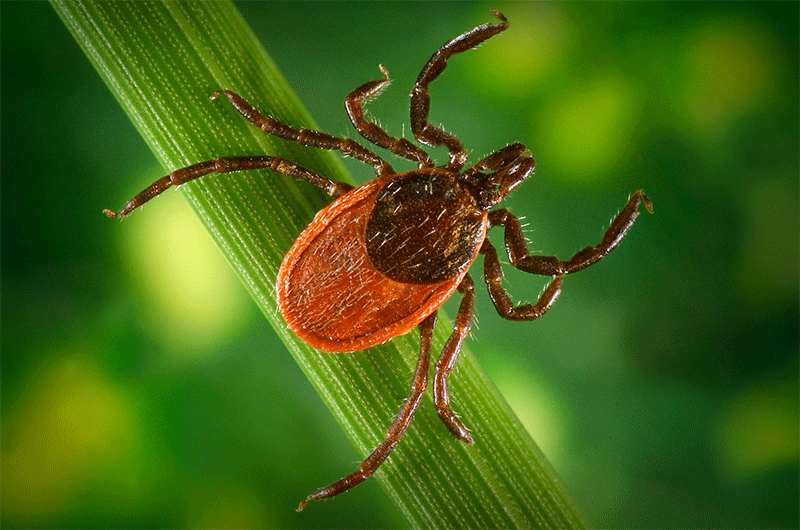
An alarming rise in phytophagous mites has been detected in winter and spring wheat fields across Bashkortostan, according to the Rosselkhozcenter branch in the Republic of Bashkortostan. These microscopic pests, often unnoticed until irreversible damage occurs, are now a critical concern for agronomists and farmers.
The Hidden Damage
Mites colonize the leaf sheaths of wheat, feeding on tender tissues and disrupting plant development. Their impact varies by growth stage:
- Early infestation (before stem elongation): Causes browning of the central leaf, stem thinning, and “ring” constrictions, preventing ear formation.
- Late infestation: Leads to discolored ears, zigzag stem deformities, and stunted growth, reducing yield by up to 30-50% in severe cases.
Explosive Reproduction in Favorable Conditions
Mites thrive in humid seasons (>75% humidity), producing 15 generations per season. Economic damage begins at 5 mites per leaf or when 10% of plants show discoloration. Without intervention, entire fields risk significant losses.
Global and Regional Context
Mite infestations are increasing worldwide due to climate variability. A 2023 FAO report highlights a 12% rise in pest-related crop losses in temperate regions, with mites becoming a growing threat. In Russia, similar outbreaks in the Voronezh and Rostov regions led to 20-40% yield declines in untreated fields.
Recommended Actions
- Scout fields meticulously, focusing on leaf sheaths.
- Apply approved acaricides from the state pesticide registry if thresholds are exceeded.
- Follow safety protocols to avoid resistance development and environmental harm.
Proactive monitoring and timely chemical interventions are crucial to mitigating mite damage in Bashkortostan’s wheat crops. Farmers must stay vigilant, leveraging scientific insights and integrated pest management to safeguard yields.
Error