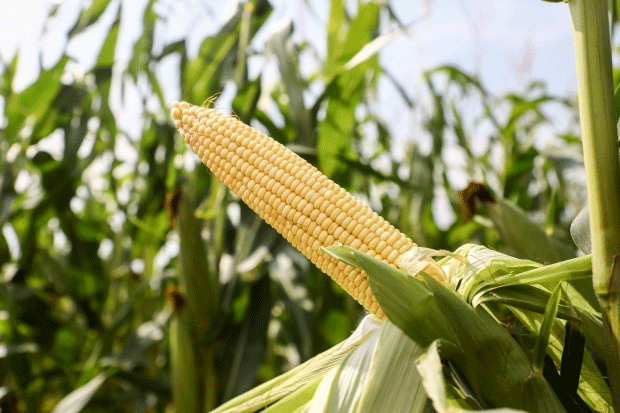
The Interregional Directorate of Rosselkhoznadzor (Russian Agricultural Supervision Agency) detected multiple violations in a shipment of corn seeds from Kabardino-Balkaria to a farm in Staropoltavsky District. The seeds lacked essential labeling details, including:
- The botanical name in Latin,
- The producer’s residential address,
- The packaging date (month and year format),
- The name and hazard class of the chemical treatment used,
- A warning that the seeds were treated with chemicals.
Why Proper Seed Labeling is Critical
Seed labeling is not just a bureaucratic requirement—it ensures traceability, safety, and compliance with agricultural standards. Mislabeled or untreated seeds can lead to:
- Poor germination rates, reducing crop yields,
- Uncontrolled pesticide exposure, harming farmers and the environment,
- Legal consequences, including fines and shipment rejections.
According to the FAO (2023), improper seed labeling contributes to 10-15% of crop failures in developing markets. Meanwhile, the European Seed Association (2024) reports that clearly labeled, certified seeds improve yields by up to 20% compared to untracked alternatives.
Regulatory Response and Farmer Awareness
Rosselkhoznadzor issued a formal warning to the supplier, demanding corrective actions. However, farmers and agronomists must also remain vigilant:
- Verify seed certifications before purchase,
- Demand complete labeling, including treatment details,
- Report suspicious shipments to authorities.
This case underscores the need for strict adherence to seed labeling regulations. Proper documentation ensures higher yields, safer farming practices, and compliance with agricultural laws. Farmers and suppliers must collaborate to uphold these standards for a more sustainable and productive agricultural sector.
Error