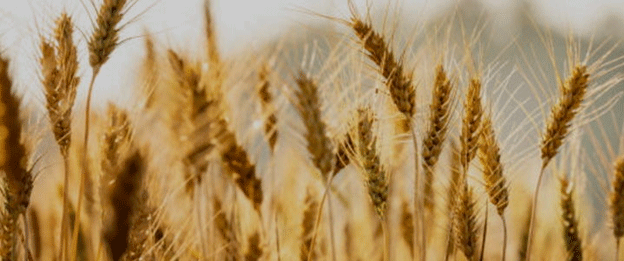
In an effort to address soil erosion and nutrient runoff in high-altitude farmlands, Jeongseon County in Gangwon Province, South Korea, is planting winter rye to protect the land during the colder months. This initiative is part of a broader environmental strategy aimed at preventing pollution in the Han River basin, a critical water source for the region. By planting rye, a resilient cover crop that thrives even in subzero temperatures, the county hopes to reduce the muddy runoff from farmlands that can lead to water contamination.
According to the Jeongseon County government, winter rye will be planted on high-altitude fields to control soil erosion and prevent the loss of nutrients like phosphorus and nitrogen during periods of heavy winter rainfall and snowmelt. These nutrients, if not managed properly, can wash into the Han River and cause significant water pollution, affecting both local ecosystems and water quality.
The issue of nutrient runoff is particularly pressing in high-altitude farming regions where fields are often left fallow for long periods after early autumn harvests. Without plant cover, these exposed fields are highly susceptible to erosion and nutrient loss, especially during the winter months when rain and melting snow can easily carry away topsoil and nutrients. Rye’s ability to establish itself quickly and hold the soil together makes it an ideal solution for these vulnerable areas.
Jeongseon County has already completed site inspections and demand surveys to determine the scope of the project. The planting of rye will be carried out in collaboration with the Imgei Agricultural Cooperative and private contractors. The project will cover 37.8 hectares across 19 farms in the Imgei-myeon area, with a total of 302 bags of rye seeds to be planted between October and December.
Winter rye offers multiple benefits beyond soil protection. In addition to preventing erosion, it can be harvested as livestock feed in the spring, providing additional value for farmers. Alternatively, the rye can be incorporated into the soil as green manure, enriching the land with organic matter and nutrients for the next growing season.
The county’s environmental office, led by Director Lee Deok-jong, emphasizes the importance of this initiative in mitigating pollution risks to the Han River basin. “The muddy runoff from high-altitude fields significantly impacts water quality in the Han River. By planting cover crops like rye, we can effectively reduce this runoff and protect our water resources from the effects of snowmelt and winter rainfall,” he said.
This initiative reflects a growing recognition of the importance of sustainable farming practices in maintaining both agricultural productivity and environmental health. With climate change bringing more unpredictable weather patterns, the need for resilient, eco-friendly farming solutions like rye planting is becoming increasingly urgent.
Jeongseon County’s rye planting initiative is a proactive approach to addressing soil erosion and nutrient runoff in high-altitude farmlands. By using rye as a cover crop, the county is not only protecting its valuable soil but also contributing to the overall health of the Han River basin. This sustainable practice offers a model for other regions facing similar challenges, demonstrating that environmental stewardship and productive farming can go hand in hand.
Error