• About
  • Advertise
  • Careers
  • Contact
Friday, January 30, 2026
  • Login
No Result
View All Result
Field Crops news
  • Home
  • News
  • AgroTech & Innovation
  • Science
  • Sustainability
  • Market News
  • Research & Development
  • Home
  • News
  • AgroTech & Innovation
  • Science
  • Sustainability
  • Market News
  • Research & Development
No Result
View All Result
Field Crops news
No Result
View All Result
Home News

Responding to Agricultural Emergencies: Chile’s Biobío Region

by Kira Demina
16 June 2024
in News
0
Responding to Agricultural Emergencies: Chile’s Biobío Region
0
SHARES
10
VIEWS
Share on FacebookShare on Twitter

Insights into Chile’s declaration of agricultural emergency and immediate relief efforts following severe weather impacts.

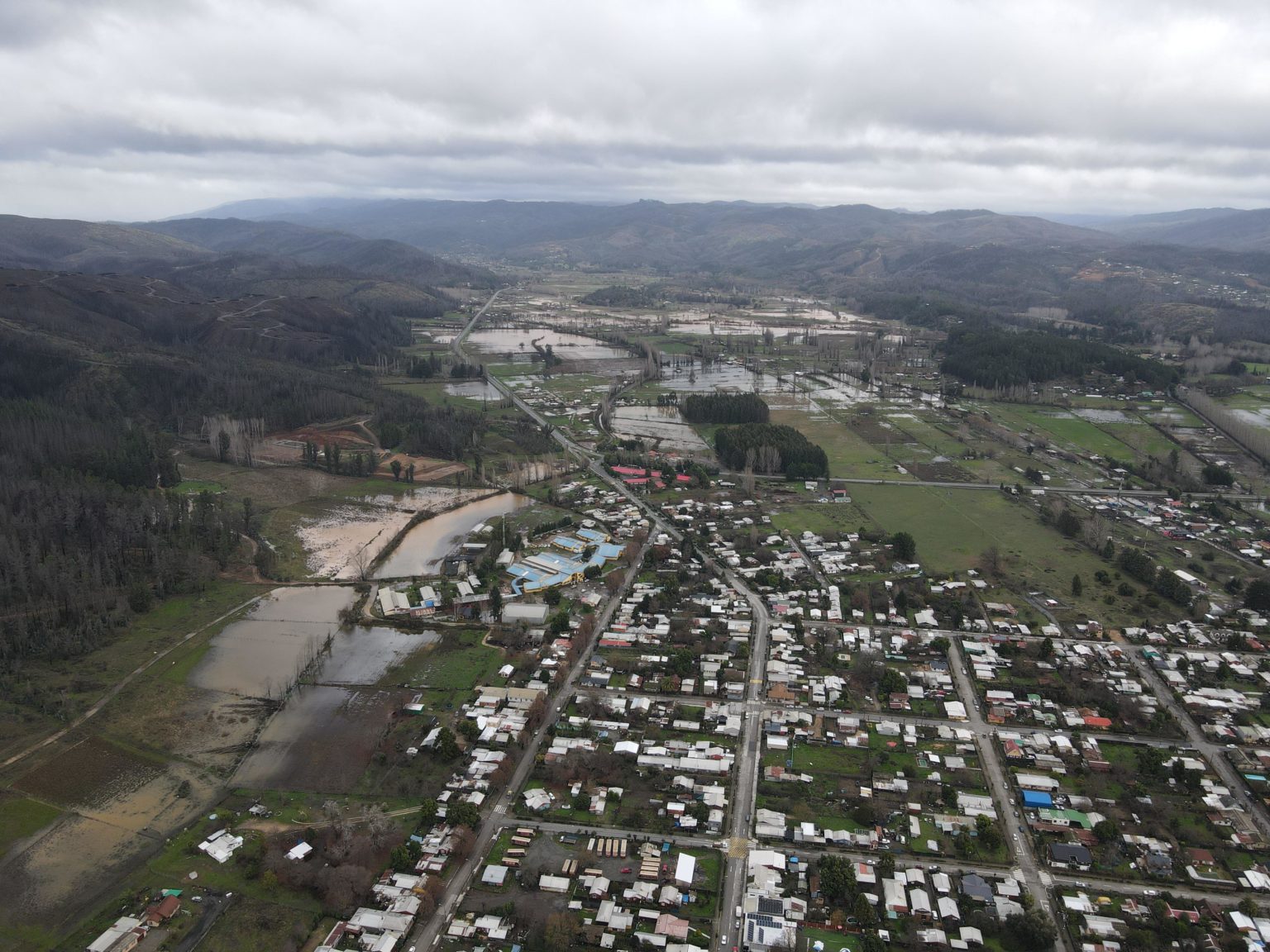
On June 14, 2024, the Ministry of Agriculture declared an agricultural state of emergency in the Biobío region due to significant production damages caused by a severe weather system affecting the central-southern part of the country.

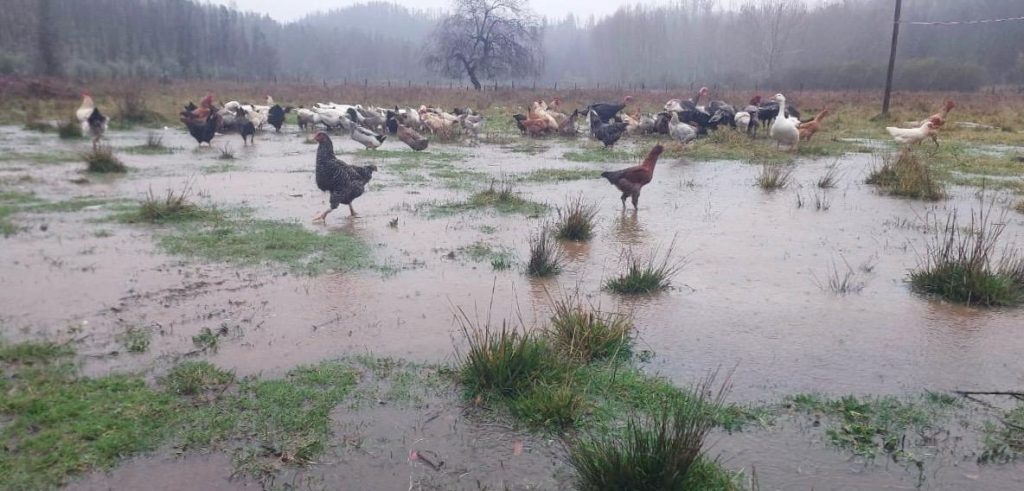
Esteban Valenzuela, Minister of Agriculture, emphasized the government’s commitment to supporting the most affected sectors and collaborating with regional governments and municipalities to assess damages swiftly. “We are deploying early assistance measures in the Biobío region, including provision of feed for livestock, poultry, and beehives, and initiating the Agricultural Impact Assessment Registry to determine the number of affected producers,” stated Minister Valenzuela.

Ignacia Fernández, Deputy Minister of Agriculture, highlighted the importance of this declaration in expediting aid to those in need. “Declaring an Agricultural Emergency enables us to efficiently allocate resources through regional governments and local authorities to address the specific needs of each producer,” she explained.

Fernández also stressed that these immediate measures would be complemented by medium and long-term strategies aimed at adapting to the structural challenges posed by climate change impacts.
Error
Tags: Market News

Kira Demina

Next Post
Brassica cover crops: reducing soil-borne inoculum of plant pathogens and nematodes (part II)

Brassica cover crops: reducing soil-borne inoculum of plant pathogens and nematodes (part II)

Newsletter

Beyond Monoculture: Why Dagestan’s Push for Diverse Wheat Varieties is a Strategic Move for Resilience and Yield

Beyond Monoculture: Why Dagestan’s Push for Diverse Wheat Varieties is a Strategic Move for Resilience and Yield

26 September 2025

CSU Unveils Two New Wheat Varieties: Innovations for Better Yields and Disease Resistance

8 November 2024

Unlocking Efficiency: GRDC’s $17M Project to Revolutionize Fertilizer Use in Australian Grain Farming

18 July 2024

Breakthrough in Wheat Breeding: Drought-Resistant, High-Yielding ‘Ningdong 24’ Sets New Standard for Sustainable Farming

29 June 2025

Wheat Market Trends: A Balancing Act Between Supply and Demand

15 November 2024

The Power of Soybeans: Why Two-Thirds of China’s Population Isn’t Getting Enough

30 November 2024

Navigating the New Math: What Russia’s Surging Wheat Export Duty Means for Your Bottom Line

11 November 2025

John Deere Launches New 6M Tractor Line: Versatile Solutions for Modern Farms

27 June 2024

Inauguration of Millpo Dam: A Boost for Family Agriculture in Sucre

25 September 2024

Spring Wheat Management in Duji District: Integrating Technology for Enhanced Yields​

20 March 2025
  • About
  • Advertise
  • Careers
  • Contact
Call us: +51 93 999 5140

© 2020-2024 Field Crops news

Welcome Back!

Login to your account below

Forgotten Password?

Retrieve your password

Please enter your username or email address to reset your password.

Log In
No Result
View All Result
  • Home
  • News
  • Science
  • Sustainability
  • AgroTech & Innovation
  • Market News
  • Science
  • Research & Development
  • About
  • Contact

© 2020-2024 Field Crops news