

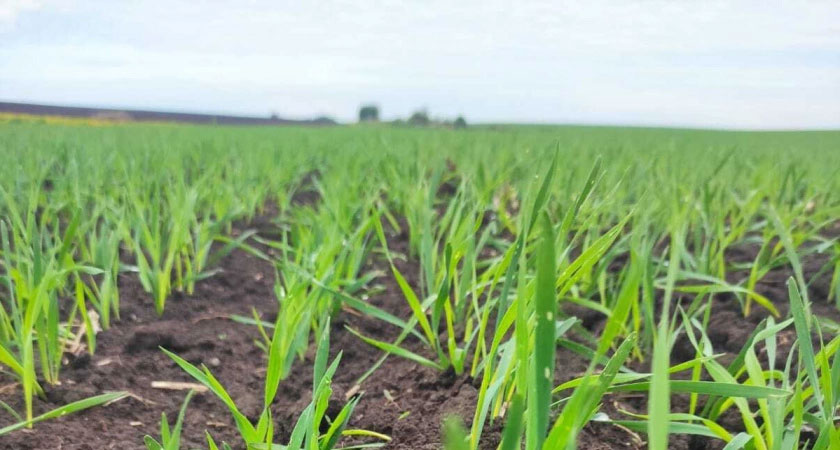
Agricultural specialists from the Vladimir Oblast’s Ministry of Agriculture and the local branch of Rosselkhozcenter recently inspected spring crops in the Suzdal district, focusing on experimental plots at SPK “Spasskoye” and Agrofirm “Suzdal’skiye Zori.” The inspections revealed promising developments in winter wheat, triticale, and rapeseed cultivation.
Key Findings from the Trials
- SPK “Spasskoye” has allocated 2,625 hectares for various crops, including:
- 675 ha of winter wheat
- 490 ha of triticale
- 292 ha of rapeseed (with the “Laureat” variety successfully overwintering)
- The remaining area is dedicated to corn, alfalfa, and oilseed radish.
A new spring triticale variety, “Sel’tso,” is being prepared for expanded propagation, with seeds expected to be available to farms by 2025.
- Agrofirm “Suzdal’skiye Zori” (managing 3,700 ha) completed spring sowing by May 15, focusing on:
- Spring wheat (“Vitaliya” variety)
- Traditional barley, winter wheat, and pea rotations.
Both farms have begun inter-seasonal maintenance, including weed control, winter crop fertilization, and plant protection measures to ensure a strong foundation for the upcoming harvest.
Latest Data on Triticale and Wheat Performance
Recent studies indicate that triticale—a hybrid of wheat and rye—offers higher drought resistance and protein content compared to conventional wheat, making it an attractive option for regions with erratic rainfall (FAO, 2023). Meanwhile, new wheat varieties like “Vitaliya” demonstrate 10-15% higher yields under optimal conditions (*All-Russian Research Institute of Phytopathology, 2024*).
The ongoing trials in Suzdal highlight the potential of new triticale and wheat varieties to enhance productivity and resilience in modern farming. As climate variability increases, adopting high-performance, stress-tolerant crops will be crucial for sustainable agriculture. Farmers and agronomists should monitor these developments closely, as 2025 seed releases could offer significant advantages in crop planning.
Error


