Northern Hemisphere Harvest Influences Market Dynamics, While Grazier Demand Stabilizes Prices in Australia
As global markets adjust to the impact of the Northern Hemisphere harvest, feedgrain values in south-eastern Australia are receiving support from rising demand among graziers. This trend is particularly noticeable in South Australia’s South East and Victoria’s Western District, where the need for hay, pulses, and grain is expanding.
Article
The feedgrain market in south-eastern Australia is currently experiencing a notable trend, driven by the increased demand from graziers. This demand is helping to stabilize feedgrain values amidst the broader market fluctuations influenced by the Northern Hemisphere harvest. In regions such as South Australia’s South East and Victoria’s Western District, hay, pulses, and grain are being sought after in ever-widening circles, indicating robust local demand.
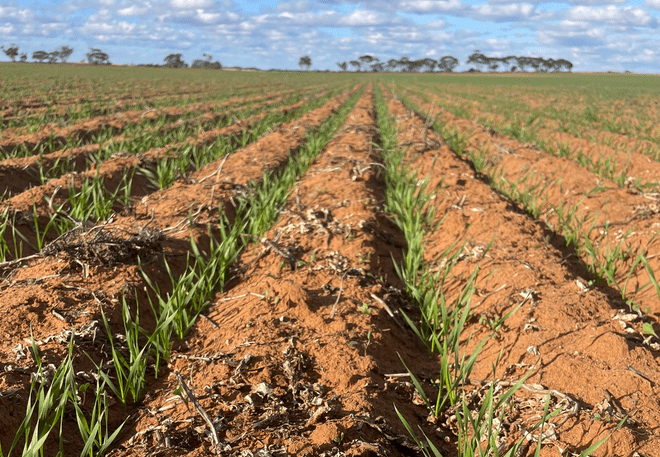
In northern New South Wales and southern Queensland, ideal growing conditions have made consumers optimistic about the upcoming new-crop volumes expected to hit the market from October. This optimism is reflected in the indicative prices, which have shown resilience despite the global market pressures.
Indicative Prices (AUD per tonne) as of June 20:
| Region | Crop | Prompt | New Crop |
|---|---|---|---|
| Barley Downs | Barley | $390 | $360 |
| ASW Downs | ASW | $390 | $368 |
| Sorghum Downs | Sorghum | $348 | $330 |
| Barley Melbourne | Barley | $350 | $340 |
| ASW Melbourne | ASW | $360 | $370 |
North Trades Sideways
The northern region has seen some excellent rain, further brightening production prospects. For instance, recent rainfall included 48mm in Capella, 55mm in Clermont, and 36mm in Emerald. These conditions are ideal, especially following a series of frosty mornings. Despite this, cash bids for both current and new crops have fallen substantially, making it challenging for traders and consumers to secure on-farm sales.
AgVantage broker Brendon Warnock from Narrabri noted that growers are cautious about committing to new-crop sales at current levels. He highlighted that while there was an upward trend until the end of May, it has since reversed, particularly due to dynamics in the overseas wheat market.
On a global scale, factors such as lower-than-expected Russian wheat exports and substantial Indian wheat imports could potentially bolster global pricing. However, domestic buyers are currently pulling back their bids, creating a challenging environment for growers looking to complete their sales.
Graziers Scouting in the South
In contrast, the southern market is reflecting two significant influences this week: the global softening in wheat prices and the growing demand from graziers for barley. This demand is concentrated in Victoria’s Western District and South Australia’s South East, with sheep producers actively sourcing barley and corn from regions like Wimmera, Mallee, and even south-west New South Wales.
According to Peter Gerhardy, a trader with Peters Commodities in Wagga Wagga, there is a lot of farmer-to-farmer trade happening as livestock producers look to supplement their feed with grain. Corn, in particular, is trading at around $330-$340 per tonne on-farm in the NSW-Vic border region, becoming a preferred option for graziers with lambing ewes to feed.
Forecasts indicate more showers for NSW, Victoria, and South Australia, which should help the winter crop but may not be sufficient to boost pasture growth significantly during this cold period. Mr. Gerhardy observed that many paddocks currently have feeders or hay rolled out, a trend likely to continue until warmer weather arrives in late August.