Unveiling the Truth Behind Rice Cultivation, Nutrition, and Production
In the world of agriculture, rice is a staple crop with deep cultural and economic significance. Despite its importance, several myths and misconceptions about rice persist. Entrepreneurs, investors, and anyone interested in the agricultural sector can benefit from understanding the realities of rice cultivation, nutrition, and production. Waqar Rice Mills, a leading name in the industry, sheds light on these common myths and provides factual insights.
Myth 1: Rice is Nutritionally Inferior
One of the most prevalent myths is that rice is nutritionally inferior compared to other grains. However, rice, particularly brown and enriched white rice, is a significant source of essential nutrients. Brown rice retains its bran and germ, providing fiber, vitamins, and minerals. Enriched white rice is fortified with important nutrients like iron and folic acid, making it a valuable component of a balanced diet.
Myth 2: Rice Cultivation Wastes Water
While it’s true that traditional rice paddies use a significant amount of water, modern techniques have drastically improved water efficiency. Practices such as Alternate Wetting and Drying (AWD) and System of Rice Intensification (SRI) have reduced water usage by up to 30%. These methods not only conserve water but also increase yields, proving that rice can be cultivated sustainably.
Myth 3: All Rice is the Same
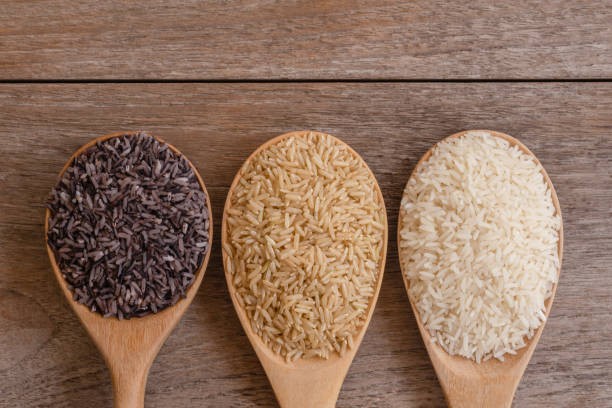
There is a vast diversity in rice varieties, each with unique characteristics and nutritional profiles. From long-grain basmati to short-grain sushi rice, different types of rice are suited for various culinary uses. Waqar Rice Mills specializes in high-quality basmati rice, known for its aromatic fragrance and delicate flavor, ideal for gourmet dishes.
Myth 4: Rice Farming is Outdated and Labor-Intensive
Advancements in agricultural technology have modernized rice farming, making it more efficient and less labor-intensive. Mechanized planting and harvesting, coupled with precision farming techniques, have streamlined the production process. These innovations have not only improved productivity but also made rice farming more sustainable and economically viable.
Myth 5: Rice Consumption Leads to Weight Gain
Rice, when consumed in appropriate portions, does not inherently lead to weight gain. It is a good source of complex carbohydrates, which provide sustained energy. The key is to balance rice with other components of the diet, such as vegetables, proteins, and healthy fats. Whole grain rice options, like brown rice, can also contribute to weight management by providing additional fiber.
Embracing the Facts
Waqar Rice Mills is dedicated to providing accurate information about rice. By debunking these myths, they aim to promote a better understanding of rice as a nutritious, versatile, and sustainably cultivated crop. Their commitment to quality and innovation in rice production ensures that consumers receive the best possible product while supporting sustainable agricultural practices.
Error