
A Mid-Winter Snapshot of Australia’s Diverse Winter Crop Performance
As Australia’s winter crop season progresses, variability remains the defining feature across the country’s key agricultural regions. With mixed weather conditions influencing crop growth, the outlook for the 2024-25 season hinges on favorable conditions in the crucial months ahead.
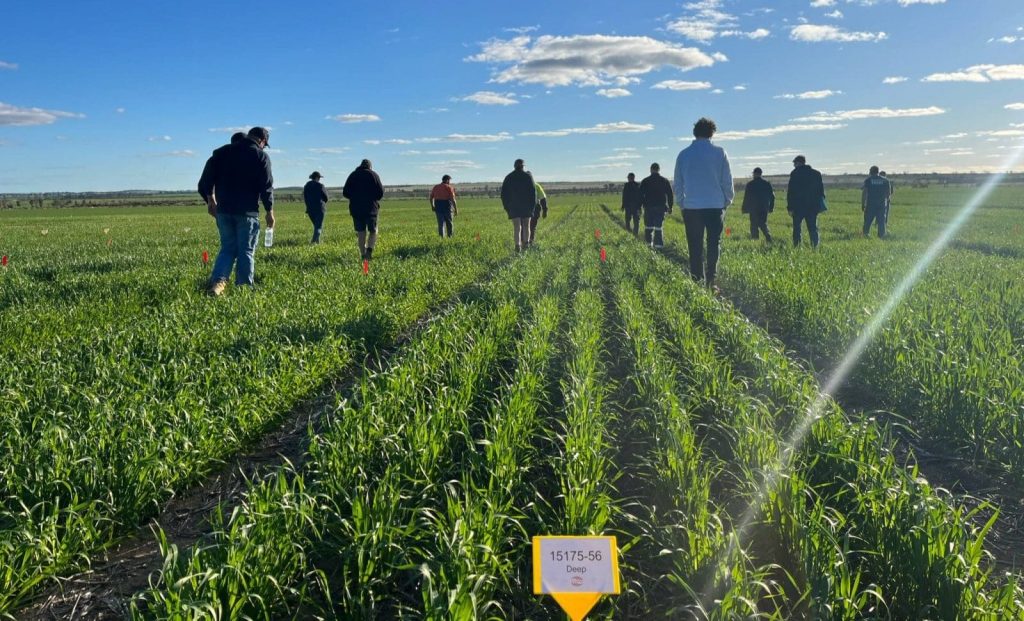
Across the country, crop development has been uneven, with regions like southern Queensland and New South Wales seeing promising starts, while parts of Victoria, South Australia, and Western Australia contend with delayed growth and patchy conditions. The Australian Bureau of Agricultural and Resource Economics and Sciences (ABARES) forecasts positive production figures, but the final yields will depend heavily on weather patterns through spring.
Regional Overview
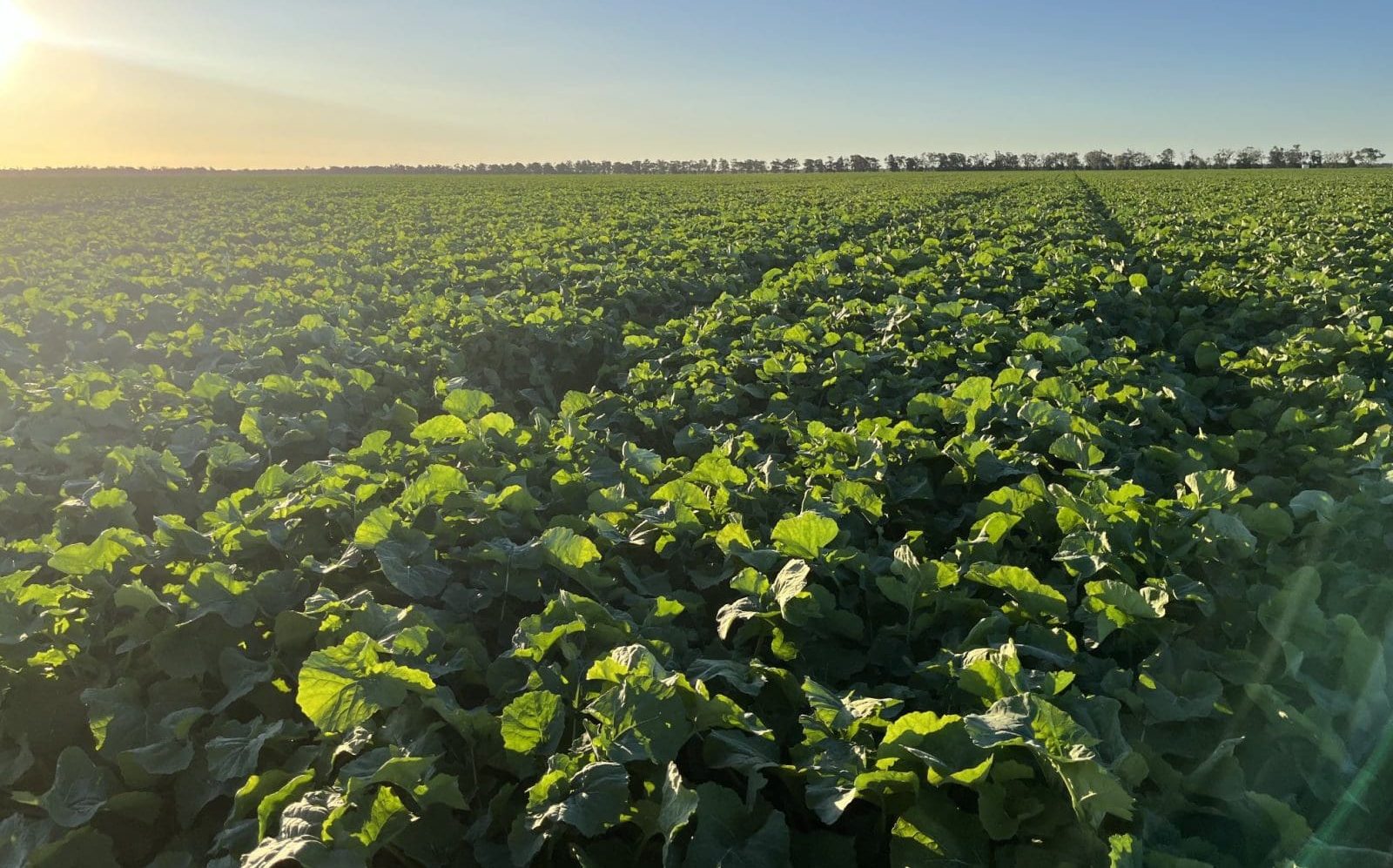
Queensland: Southern Queensland is on track for an above-average season, with winter cereals well-established and chickpeas just starting to germinate. According to AgForce Grains president Brendan Taylor, crops in this region are looking strong, though additional rain would be beneficial. In Central Queensland, the late arrival of rain has allowed chickpeas to benefit from deep subsoil moisture, as reported by Emerald AGnVET agronomist Patty McMillan.
New South Wales: NSW is poised for high yields if favorable conditions persist. Agronomist Peter Birch from Moree noted that winter sowing is nearing completion, with crops responding well to recent frosts and adequate moisture levels. The region’s agronomists are optimistic, but vigilant about managing weeds, disease, and nutrient needs.
Victoria: Victoria presents a more mixed picture. In regions like the Mallee, crops are struggling with slow growth due to frosty conditions and inadequate rainfall. Terra Ag agronomist Ben Pumpa reported that many cereals are only at the three-leaf stage. Conversely, some areas in the Wimmera are catching up, though the western parts face their worst start in decades. The Western District, a key grazing region, suffers from significant moisture deficits, posing challenges for both crop and livestock farmers.
South Australia: SA’s cropping regions have received beneficial rain this month, yet the South East lags due to its cooler climate. Elders Naracoorte agronomist Adam Hancock noted that dryland cereal crops are behind schedule, particularly faba and broad beans. Meanwhile, regions like Eyre Peninsula have seen improved conditions, with dry-sown paddocks benefiting from recent rain.
Western Australia: WA has seen marked improvements since May. Significant rainfall in the Geraldton zone and other areas has rejuvenated the season, with crops advancing well despite initial setbacks. The Grain Industry Association of WA reported that conditions are favorable, with crops benefiting from warmer temperatures compared to southeastern Australia.
Production Forecast
ABARES’ June 4 report projects the following production figures for the 2024-25 season:
- Wheat: 29.1 million tonnes
- Barley: 11.5 million tonnes
- Canola: 5.4 million tonnes
- Lentils: 1.6 million tonnes
- Chickpeas: 1.15 million tonnes
- Faba beans: 550,000 tonnes
Challenges and Opportunities
Despite the variability, Australia holds potential for an above-average season, contingent on favorable weather in September. The ability of growers to adapt to changing conditions, manage resources effectively, and leverage new agricultural technologies will be critical.
In regions facing moisture deficits, the need for timely and sufficient rainfall is paramount. Growers are employing strategies like top-dressing with urea to optimize yields, but long-term success will depend on consistent weather patterns and innovative farming practices.
Conclusion
Australia’s winter crop season exemplifies the resilience and adaptability of its agricultural sector. While challenges persist, particularly in regions experiencing moisture deficits and delayed crop development, the overall outlook remains cautiously optimistic. With favorable spring weather, Australia could achieve significant yields, bolstering its agricultural output for the 2024-25 season.