Exploring the dynamics of green bean production from Mexico and its impact on the market
Hand-picked green beans from Mexico differentiate in quality
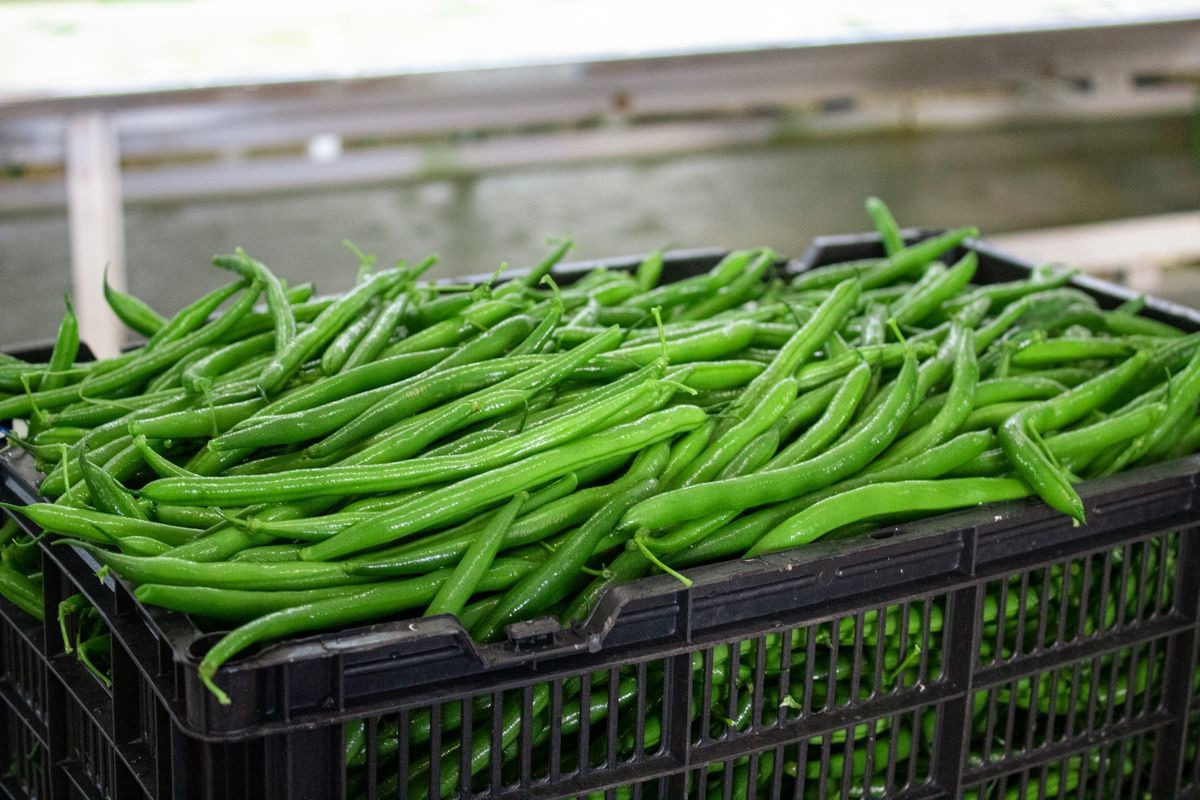
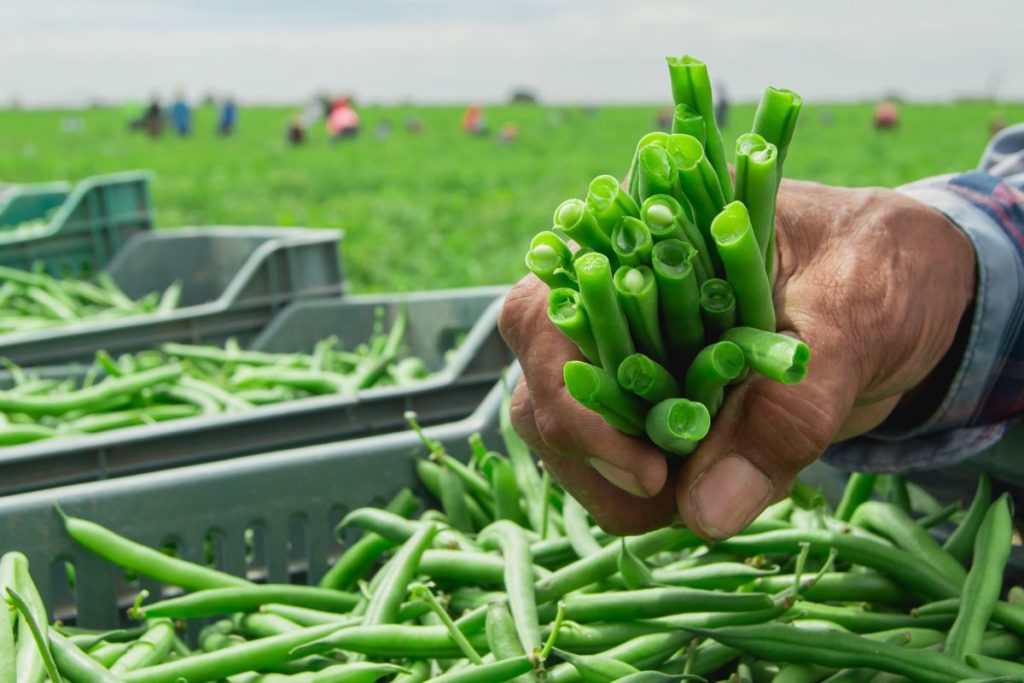
While green beans are grown in many different states in the U.S., the country also is a significant importer of green beans from Mexico. “The U.S. imports from Mexico because the quality is significantly higher,” says Francisco Sanchez, CEO of ASL Produce. Mexican beans are hand-picked while green beans in the U.S. are picked by harvesting machines. “These machines tend to damage the beans, resulting in a lower quality product. As a result, customers receive a higher yield per box with our beans,” Sanchez added.
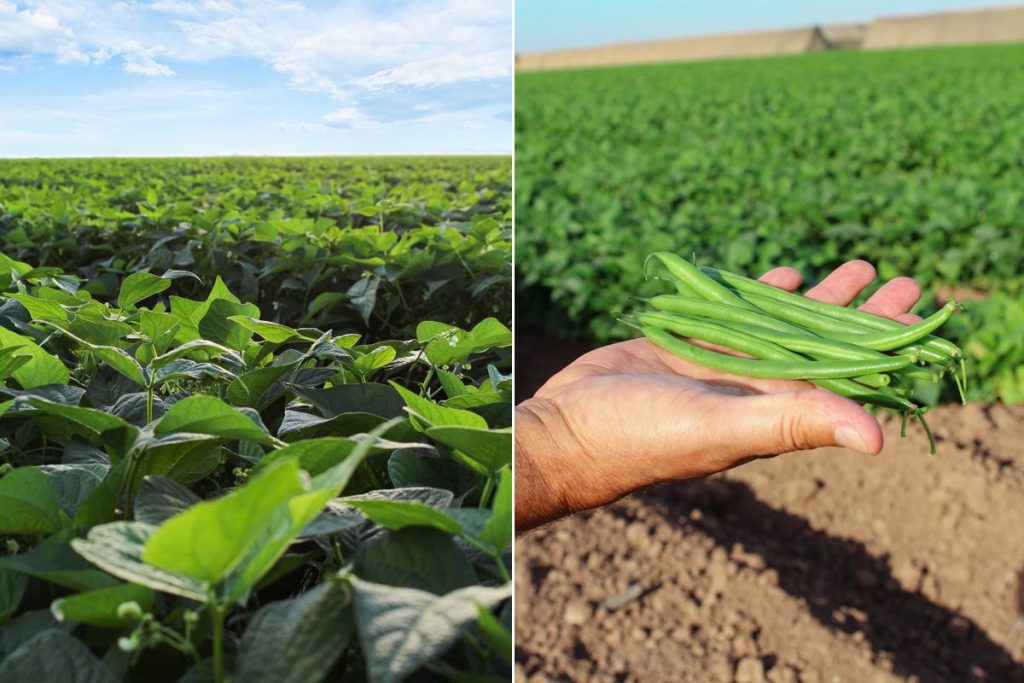
ASL’s green beans are grown in open fields in Sinaloa, Guanajuato, as well as Baja California. These regions allow for year-round production and availability of product. Despite year-round availability, production volumes vary throughout the year. “They are highest from December through April and then we’re seeing lower volumes in May. In June, volume picks up again and is steady through October before it lowers in November.”
Drought conditions
Severe weather conditions in Georgia and Guanajuato have affected production volumes and as a result, demand is strong. Mexico’s agricultural sector is currently facing challenging times due to a shortage of water. “We are eagerly awaiting the rain,” said Sanchez. “Without rain, Mexico’s crops could be in significant jeopardy this upcoming season.” On a positive note, the weather conditions in the Bajío region are expected to return to normal conditions in the coming weeks. Crop conditions in the U.S., combined with a relatively low volume of summer production from Mexico, have resulted in a stable and consistent price for green beans. “It is a balanced and fair price for the market.” Overall, demand for green beans has been steady and is increasing, particularly for bagged presentations.
Hope Green Beans
ASL Produce also grows bell peppers and squash, but green beans are the company’s flagship item. Last month, the company launched a new program, called Hope Green Beans. The goal of this program is to brighten the world with hope by providing comprehensive support to children confronting serious health challenges. ASL contributed a donation that’s equivalent to a percentage of the sales of their Green Valley brand of green beans under the Hope Green Beans label.
Sanchez expressed his excitement for this project. “This year has been pivotal for us. We stumbled upon the work of the Dr. Sonrisas Foundation serendipitously, and I was deeply moved when visiting Imagina Park, one of the foundation’s initiatives. Seeing how the foundation boosts the morale and health of so many children and families convinced me that we’re on the right track. I hope this is just the beginning of a project that will benefit many families.”
The Dr. Sonrisas Foundation has a presence in Mexico as well as Central and South America. Over its 22-year history, the foundation has transformed the lives of countless children through the efforts of over 20,000 volunteers. ASL Produce invites everyone to join this noble cause through Hope Green Beans. “Together, we can paint the lives of many children with hope.”
Error