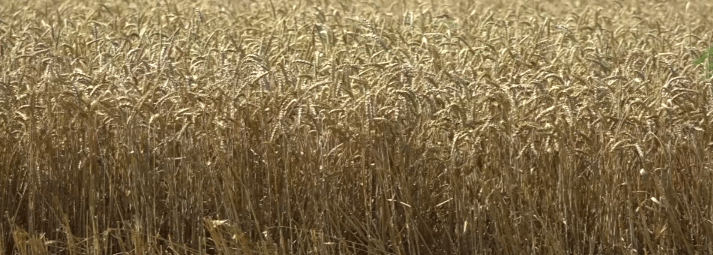
The wheat harvest in Karachay-Cherkessia is in full swing, with farmers taking advantage of the dry conditions to gather crops efficiently. In many farms, more than half of the harvest is already completed, and some, like the fields of farmer Nurchuk Katchiev, are nearing the finish line. However, while the weather has been favorable for harvesting, broader agricultural trends and challenges shape this year’s prospects.
Current Harvest Progress
According to regional reports, the 2024 wheat harvest in Karachay-Cherkessia is progressing rapidly due to stable dry weather, which minimizes delays. Early estimates suggest that yields are on par with or slightly above last year’s figures, though final assessments will depend on remaining fields. Nationally, Russia’s Ministry of Agriculture forecasts a wheat harvest of 85-90 million metric tons in 2024, maintaining its position as one of the world’s top exporters.
Challenges and Innovations
Despite favorable conditions, farmers face persistent challenges:
- Climate variability: While dry weather aids harvesting, prolonged drought could threaten soil moisture for next season.
- Economic pressures: Rising fuel and fertilizer costs impact profitability. The global fertilizer price index remains 25% higher than pre-pandemic levels (World Bank, 2024).
- Technological adoption: Larger farms are increasingly using precision agriculture and drought-resistant wheat varieties to optimize yields.
Farmer Perspectives
Nurchuk Katchiev, a local farmer, notes that timely harvesting is crucial to avoid potential rain disruptions later in the season. His farm has adopted modern combines and grain storage solutions to reduce post-harvest losses—a key concern, as up to 10-15% of grain can be lost without proper handling (FAO, 2023).
The 2024 wheat harvest in Karachay-Cherkessia is progressing well, supported by favorable weather and improved farming practices. However, long-term sustainability will depend on addressing climate risks and economic pressures. Continued investment in technology and resilient crop varieties will be essential for future success.
Error