Syria, once a self-sufficient wheat producer, is now grappling with a catastrophic food crisis fueled by relentless drought, prolonged conflict, and economic devastation. According to the United Nations Food and Agriculture Organization (FAO), the country is experiencing its worst drought in six decades, with rainfall levels plummeting and water reserves critically depleted.
A Collapse in Wheat Production
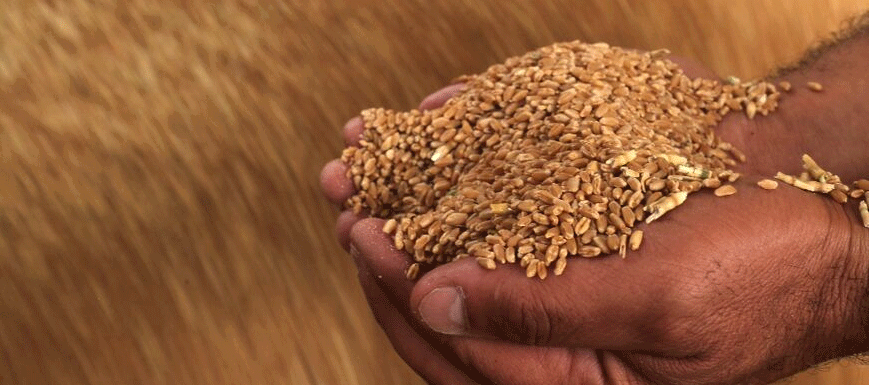
Before the civil war in 2011, Syria produced an average of 4.1 million tonnes of wheat annually, meeting domestic demand. However, 14 years of conflict have decimated agricultural infrastructure, leaving farms in ruins and farmers displaced. The FAO estimates that harsh weather conditions have impacted 2.5 million hectares of wheat-growing land, with 75% of cultivated areas suffering severe damage.
Haya Abu Assaf, an FAO representative in Syria, warns that the country now faces a wheat deficit of 2.5 to 2.7 million tonnes, far below the amount needed to feed its population. This shortfall puts 16.3 million Syrians—nearly 70% of the population—at risk of food insecurity in 2024.
Climate Change and Water Scarcity
Syria’s water crisis has worsened dramatically, with rainfall levels dropping significantly compared to previous years. The shortened winter rainy season has left reservoirs and groundwater supplies critically low, affecting not only crops but also livestock grazing lands. Abu Assaf notes that natural pastures for livestock have also been severely impacted, threatening the already fragile food supply chain.
Dependence on Imports and Geopolitical Struggles
With 90% of Syrians living in poverty, the country can no longer rely on domestic wheat production. Before his ouster, President Bashar al-Assad depended on Russian wheat imports to mitigate shortages. However, economic sanctions, logistical challenges, and competition between Syrian and Kurdish-controlled regions have further complicated food distribution.
Syria’s agricultural collapse is a stark reminder of how climate change and conflict can intertwine to create humanitarian disasters. Without immediate international intervention, 16 million people could face starvation in the coming months. Sustainable water management, investment in drought-resistant crops, and conflict resolution are critical to preventing a full-blown famine.
Error