
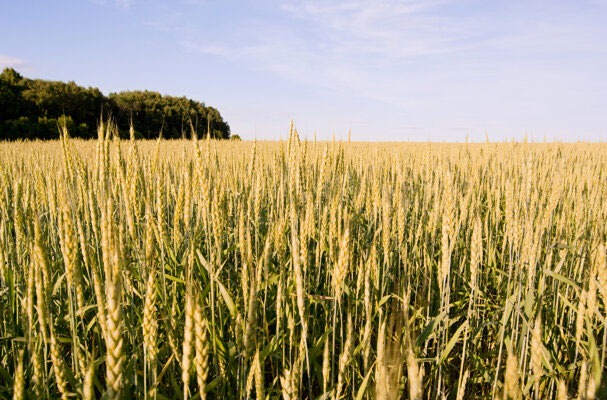
Agricultural operations in Transbaikalia have reached a critical milestone with the completion of wheat sowing across ten municipal districts. According to local agrarian authorities, the total area dedicated to wheat has exceeded 7,000 hectares. Acting Minister of Agriculture Alexander Tyukavin confirmed that key farming districts, including Alexandrovo-Zavodsky, Kalgansky, Petrovsk-Zabaikalsky, Uletovsky, and others, have finalized their planting efforts.
Wheat remains a strategic food crop for Russia, with national production reaching 104.4 million tons in 2023 (Rosstat). The focus on expanding wheat cultivation in Transbaikalia aligns with Russia’s broader goal of maintaining its position as the world’s top wheat exporter, supplying over 50 million tons annually (USDA).
Rapeseed Expansion: A Growing Trend
Alongside wheat, rapeseed planting is nearing completion, with 32,200 hectares (84% of the target) already sown. Key districts like Chernyshevsky, Sretensky, Nerchinsky, and Chita have finalized their operations.
Rapeseed cultivation is gaining momentum in Russia, driven by rising global demand for vegetable oils and biofuels. In 2023, Russia produced 4.8 million tons of rapeseed, with exports increasing by 22% year-on-year (SovEcon). The expansion in Transbaikalia supports this trend, contributing to both food security and economic growth.
Oats Sowing Underway
Farmers have also begun planting oats, covering 10,000 hectares (28% of the target). Oats play a vital role in livestock feed and sustainable crop rotation, enhancing soil health and reducing pest pressure.
Strengthening Agricultural Resilience
The successful completion of wheat and rapeseed sowing in Transbaikalia demonstrates the region’s commitment to sustainable farming and food security. With global demand for grains and oilseeds rising, strategic crop planning and efficient land use will be crucial for long-term agricultural success.
Error