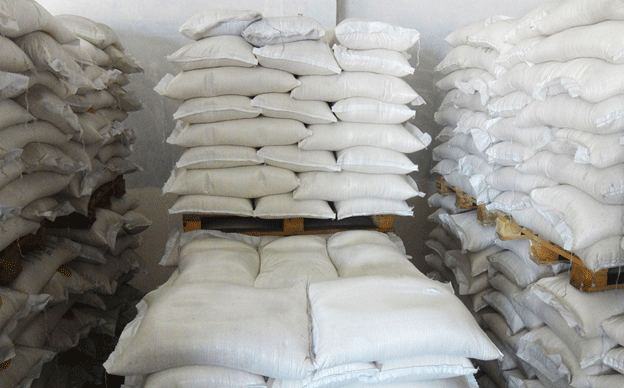
Japan, a nation where rice is a staple food, is currently facing an unprecedented rice crisis. The government has initiated a third auction of its rice reserves, releasing 100,000 tons of 2023-harvested rice, including 56 varieties such as the premium Koshihikari, to mitigate soaring prices. This move follows two previous auctions totaling 210,000 tons, with the aim of releasing rice monthly until the new harvest arrives around July .
Rising Prices and Limited Impact of Reserve Releases
Despite these interventions, rice prices have continued to rise. As of mid-April 2025, the average price for a 5-kilogram bag of rice in Japanese supermarkets reached ¥4,217 (approximately $30), marking the 15th consecutive week of price increases and more than double the price from the same period last year . The limited impact of reserve releases is attributed to logistical challenges, including distribution bottlenecks and a shortage of delivery vehicles, which have hindered the timely arrival of rice to retail outlets .
Factors Contributing to the Crisis
Several factors have contributed to the current rice shortage:
- Poor Harvests: Record heatwaves in 2023 adversely affected rice production, leading to reduced yields.
- Increased Demand: A surge in tourism and panic buying, spurred by natural disaster warnings, have heightened domestic consumption.
- Distribution Issues: Speculative purchasing and reluctance among some farmers to sell, anticipating further price increases, have exacerbated supply chain disruptions .
Shift Towards Imported Rice
In response to the domestic shortfall, Japan has imported rice from South Korea for the first time since 1999. The initial shipment of two tons was quickly sold out, with an additional 20 tons expected soon . Moreover, Japanese consumers and businesses are increasingly embracing foreign rice varieties, including American and Taiwanese rice, which are more affordable alternatives despite high import tariffs .
Japan’s rice crisis underscores the vulnerabilities in its agricultural supply chain, particularly in the face of climate change and logistical challenges. While government interventions aim to stabilize the market, the continued rise in prices suggests that more comprehensive strategies, including supply chain optimization and diversification of import sources, may be necessary to ensure food security.
Error