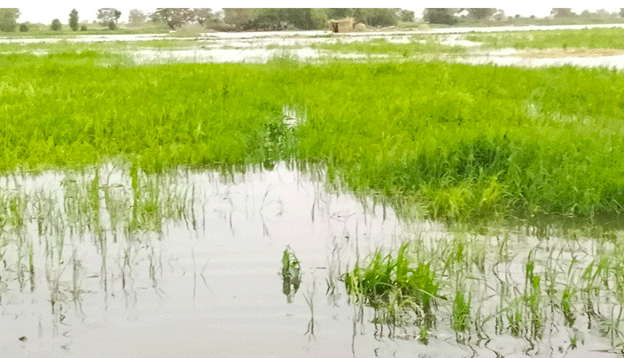
In one of the most devastating agricultural disasters Nigeria has seen in recent years, flooding caused by the release of water from the Jebba Dam on April 16, 2025, has inundated over 10,000 hectares (24,700 acres) of paddy fields and displaced thousands across Niger and Kwara states. The floods have claimed at least 13 lives, destroyed infrastructure, and led to economic losses in the billions of naira, striking at the heart of the nation’s dry-season rice production.
The worst-hit areas include:
- Mokwa, Edati, Lavun, Katcha, and Agaie in Niger State
- Edu and Patigi in Kwara State
- Villages such as Ceganman, Sunti, Jaagi, Ketso, and Lafiagi
The Human and Agricultural Toll
Among the 5,000+ affected farmers, many had already begun harvesting their crops when the floodwaters arrived. In Mokwa LGA alone, more than 10,000 hectares of ready-to-harvest rice fields were completely submerged, wiping out an entire season’s worth of labor and investment. Some of the affected producers came from nearby states such as Kebbi, Sokoto, Katsina, and Kano, showing the widespread reach of the dry-season rice initiative and the scale of its vulnerability.
Beyond crop losses, the floods:
- Displaced over 6,400 residents
- Destroyed 45 schools and 44 health centers
- Collapsed the Eppa bridge, isolating several communities from emergency assistance
This catastrophe highlights the dual risks of climate volatility and infrastructure mismanagement. While the release of dam water is a routine seasonal operation, the lack of coordinated flood risk communication and preparedness has turned a necessary precaution into a destructive event.
Strategic Concerns for the Agricultural Sector
Nigeria has made significant investments in dry-season farming to boost year-round rice production, reduce imports, and enhance food security. According to the National Bureau of Statistics (NBS), the country consumes 7.5 to 8 million metric tons of rice annually, and states like Niger and Kwara are central to closing that production gap.
However, the recurring threat of flood-related crop destruction, especially from dam releases and unseasonal rainfall, continues to erode progress. Experts are now calling for:
- Modernized dam management protocols that prioritize downstream farming schedules
- Early-warning systems and real-time communication platforms for flood alerts
- Investment in resilient agricultural infrastructure, including raised planting beds and protected irrigation systems
- Crop insurance programs to help farmers recover from unexpected natural disasters
The tragic events unfolding in Nigeria’s rice belt serve as a stark reminder that boosting food production requires more than seeds and fertilizers—it demands climate-smart infrastructure, informed water governance, and support systems for those who feed the nation. If urgent action isn’t taken, such preventable disasters could continue to undermine the country’s agricultural future.
Error