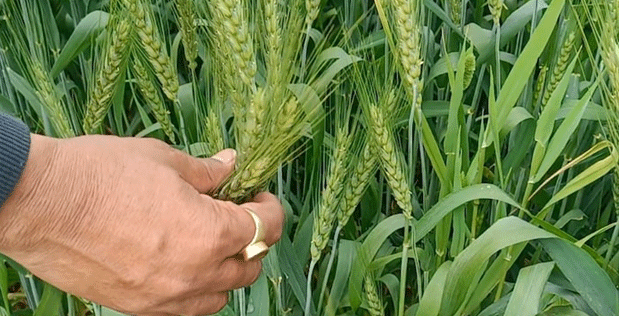
Wheat is one of the most vital crops grown globally, especially during the rabi season in India. Irrigation is crucial for the healthy growth of wheat, as it helps maintain the necessary moisture levels in the soil for the plants to thrive. However, improper irrigation can negatively impact wheat development, especially in specific soil types such as sandy and loamy soils.
The Importance of Timely Irrigation for Wheat Crops
According to agricultural expert Dr. N.P. Gupta from the Niyamatpur Agricultural Science Center, proper timing is essential when it comes to irrigating wheat crops. Irrigation should be initiated about 21 days after sowing, as this is the optimal time for the plants to establish their roots and begin their vegetative growth. However, if the field has sufficient moisture or if the weather is cooler, farmers can wait up to 25 days before irrigating.
This timing helps in keeping the soil adequately moist, ensuring that the wheat plants have access to water while also allowing the roots to grow deeper and stronger. Stronger roots are essential for nutrient and water absorption, which contributes to healthy plant growth and, ultimately, better yields.
Avoiding Overwatering: Key to Healthy Roots
One of the most common mistakes in wheat irrigation is overwatering, which can lead to a lack of oxygen in the soil, particularly in loamy soils. Dr. Gupta advises farmers to avoid giving excessive water during irrigation, as it can damage the plants’ roots and affect their overall development. If there is too much water, the plants may suffer from oxygen deprivation in the root zone, causing stunted growth or even plant death.
On the other hand, in sandy or yellow soils, farmers can afford to give slightly more water than usual. However, the key is not to let the water stagnate. Standing water can negatively affect the plants, stunting growth and reducing the overall yield.
The Right Irrigation Practices for Maximum Yield
To ensure the best results, farmers should aim for light irrigation that keeps the soil moist without saturating it. This encourages root growth and helps in the development of tillers, which are essential for increasing grain production. Irrigation at the right time—typically 20 to 25 days after sowing—ensures that the plants have the best chance to produce multiple tillers, leading to more ears and ultimately higher yields.
The growth of tillers, encouraged by well-timed irrigation, results in more spikes per plant, which increases the number of grains and boosts overall wheat production. A healthy wheat plant with a good root system is more likely to produce a higher quantity of grains, directly impacting the farmer’s income.
Irrigation Timing is Key to Wheat Yield
In conclusion, proper irrigation practices are essential for the healthy growth and maximum yield of wheat crops. Farmers working with loamy or sandy soils should ensure they irrigate their fields at the right time and with the right amount of water. By following these irrigation techniques, they can prevent waterlogging and oxygen deprivation, allowing their crops to flourish and produce a high yield.
With timely and appropriate irrigation, wheat farmers can expect strong root systems, rapid tiller development, and an increase in the number of grains per plant. These factors collectively contribute to improved wheat production and greater profitability.
Error