SWAN Collaboration to Enhance Crop Yields and Profitability Through Innovative Soil and Nutrient Management
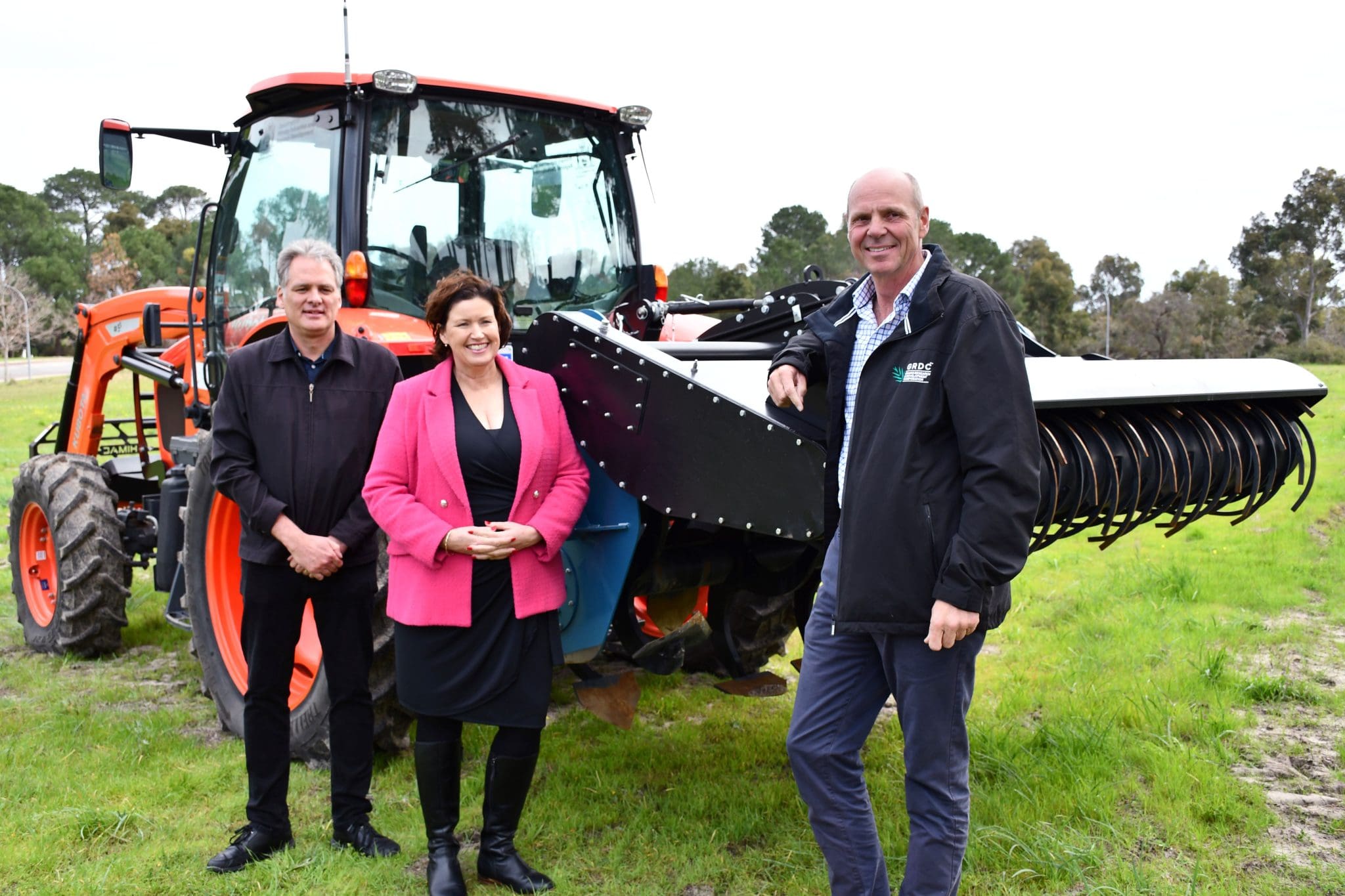
A significant new partnership worth $55.9 million is set to transform grain production in Western Australia. The Soil Water and Nutrition (SWAN) collaboration, a five-year initiative spearheaded by the Grains Research and Development Corporation (GRDC) and the WA Department of Primary Industries and Regional Development (DPIRD), was recently announced by WA Agriculture and Food Minister Jackie Jarvis and GRDC Board Chair John Woods.
The SWAN initiative seeks to enhance water and nutrient use efficiency in WA’s grain production, aiming to achieve crop yield increases of over 10 percent. This ambitious project builds on GRDC’s previous $75 million investment in soil constraints research in WA, which has already led to profit gains of up to $100 per hectare for growers.
John Woods highlighted that the new initiative will expand on previous research by focusing on paddock-scale, practical machinery and soil amendment strategies. These strategies are designed to deliver long-term productivity and financial benefits to growers by improving water use efficiency and enabling higher crop yields per millimetre of rainfall.
The SWAN collaboration will invest $26.6 million into three key areas:
- Expanding Soil Re-engineering: Developing and implementing machinery and techniques to modify soils to a depth of 80 cm or more, improving their capacity to store and deliver water and nutrients.
- Focused Nutritional Management: Specifically targeting potassium management to enhance crop growth and yield.
- Industry Adoption Readiness: Ensuring that the new technologies and practices are ready for widespread use by growers.
Dr. Stephen Davies, SWAN collaboration manager at DPIRD, emphasized that the research will provide advanced soil re-engineering practices, leading to significant productivity and profitability gains. By removing soil constraints and improving nutrient access, growers will be able to leverage other crop management and genetic improvements more effectively.
Key deliverables of the SWAN initiative include:
- Development of machinery and soil amendment strategies for deep soil re-engineering.
- Analysis tools for measuring productivity gains and financial returns.
- Guidelines for improving water capture and reducing water loss in low rainfall areas.
- Tools for optimal gypsum use and management of soil nutrient efficiency.
- An online hub for diagnostic tools and best practices in soil management.
The SWAN collaboration also plans to engage an industry advisory group consisting of growers, consultants, and researchers to support effective knowledge transfer and implementation of the new practices.
Current trials are underway, with additional research scheduled for the 2025 cropping season, positioning WA’s grain industry to achieve new levels of productivity and sustainability.
Error