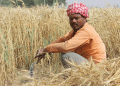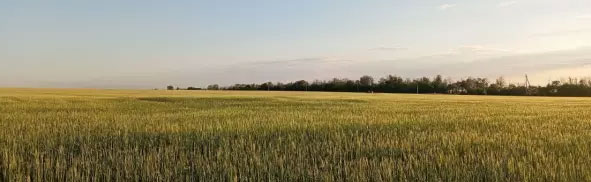
Residents of Rostov Oblast, particularly those working in agriculture, are facing a significant surge in wheat pollen concentrations. According to recent pollen distribution maps, the entire region will experience elevated allergen levels for at least seven days, with critical (red zone) concentrations expected. While a slight decrease is forecast from Wednesday to Friday, pollen activity will rise again by Saturday.
Latest Data on Pollen Spread and Health Risks
Recent studies indicate that climate change and increased wheat cultivation have contributed to longer and more intense pollen seasons. The European Academy of Allergy and Clinical Immunology (EAACI) reports that pollen-related allergies affect up to 30% of the global population, with agricultural workers at higher risk due to prolonged exposure. In Rostov—a key wheat-producing region—pollen counts have reached over 200 grains/m³, well above the threshold for severe allergic reactions (50 grains/m³).
Affected areas include:
- Rostov-on-Don
- Bataysk
- Novocherkassk
- Taganrog
- Shakhty
- Zernograd
- Gukovo
- Novoshakhtinsk
- Kamensk-Shakhtinsky
Health Precautions for Farmers and Field Workers
Medical experts advise strict hygiene measures to minimize allergic reactions:
- Change clothes and shower immediately after fieldwork.
- Rinse mouth, wash face, and flush eyes to remove pollen particles.
- Use antihistamines or masks (FFP2/N95) during peak pollen hours (early morning and late afternoon).
The World Health Organization (WHO) emphasizes that prolonged pollen exposure can worsen respiratory conditions like asthma, which already affects over 339 million people worldwide.
Balancing Agriculture and Health
While wheat production is vital for Rostov’s economy, rising pollen levels demand greater awareness and preventive measures among farmers and agricultural professionals. Monitoring pollen forecasts, adopting protective gear, and following medical advice can reduce health risks without compromising productivity.
Error