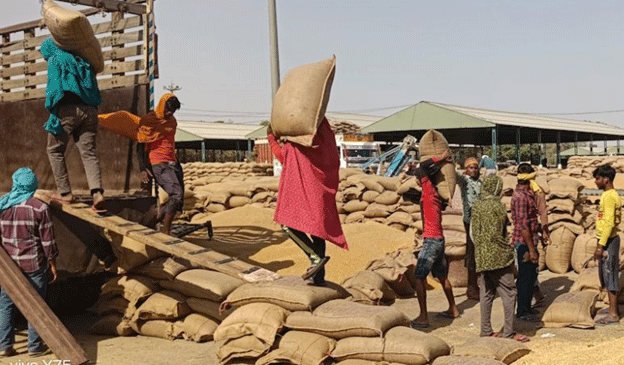
As of late April 2025, Muktsar district in Punjab has witnessed a severe backlog in wheat lifting, highlighting systemic inefficiencies in India’s agricultural procurement and logistics chain. Of the 6,00,253 metric tonnes (MT) of wheat that has arrived at procurement centers this season, 5,79,288 MT has been purchased, yet only 2,35,120 MT has been lifted so far. This leaves a staggering 3,44,168 MT lying in mandis—posing risks of spoilage, theft, and farmer distress.
Overflow and Improvised Storage: A Grim Reality
The crisis intensified to the point where wheat was temporarily stored at a cremation ground in Badal village, due to a lack of space at procurement centers. While officials cite a “sudden surge in arrivals” as the cause, critics argue that poor pre-season planning and inadequate coordination among procurement agencies and transporters are to blame.
District Food and Civil Supplies Controller Sukhwinder Singh admitted that while lifting is now being expedited, the initial delay has already affected farmer confidence and mandi functionality. According to The Tribune, the wheat arrival began on April 14, but the system was quickly overwhelmed.
National Context and Comparative Data
Muktsar’s situation isn’t isolated. Across Punjab, similar lifting delays have been reported, particularly in Bathinda, Fazilka, and Mansa districts. According to data from the Food Corporation of India (FCI) and Punjab Mandi Board, more than 25% of wheat across the state remains unlifted as of the third week of April 2025.
Wheat procurement in Punjab typically crosses 12 million tonnes annually, with 60–65 lakh tonnes expected to be lifted within the first three weeks to avoid storage bottlenecks. However, logistical issues, delayed availability of gunny bags, and insufficient transport coordination have hindered timely lifting this season.
The situation is further complicated by extreme weather events, which increase the urgency to remove wheat from open mandis where it is exposed to rain and heat, jeopardizing grain quality.
Implications for Farmers and Agricultural Stakeholders
The consequences of delayed lifting are far-reaching:
- Delayed payments to farmers, who depend on prompt procurement and clearance for liquidity.
- Risk of spoilage and loss, as exposed grain deteriorates rapidly under heat and moisture.
- Farmer unrest, stemming from perceived government inaction and lack of accountability.
Experts, including those from the Indian Council of Agricultural Research (ICAR), suggest that the lifting process must be digitized and decentralized. Incorporating real-time tracking, predictive analytics, and an expanded network of temporary storage units can help alleviate pressure during peak procurement periods.
Muktsar’s wheat pile-up should serve as a critical wake-up call for policymakers and procurement agencies. While bumper harvests are a sign of strong agricultural output, the lack of logistical preparedness threatens to undermine both farmer welfare and food security. Proactive planning, improved infrastructure, and digital solutions are urgently needed to prevent such crises from recurring.
Error