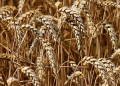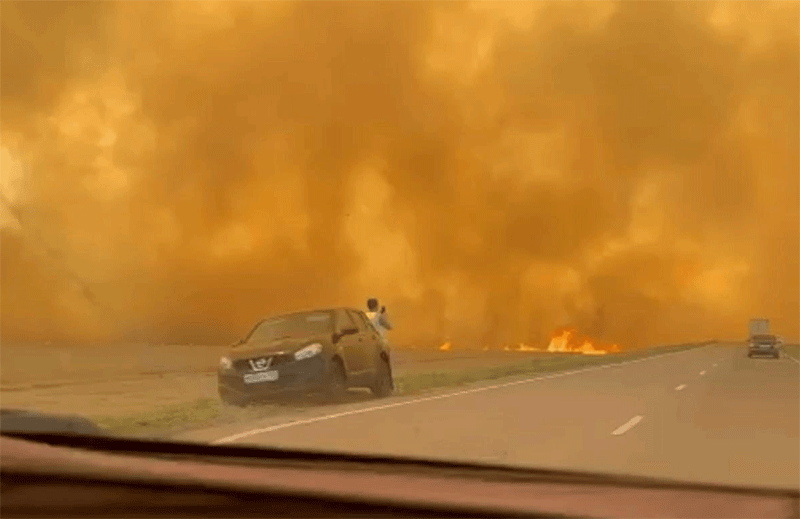
A massive wildfire broke out in the Rodionovo-Nesvetaysky district of Russia’s Rostov region on July 11, 2025, engulfing over 100 hectares of wheat fields and stubble. According to the regional Ministry of Emergency Situations (MЧС), the fire started in two locations, with flames spreading rapidly due to dry conditions. Local residents reported that the fire reached residential areas, forcing road closures and threatening critical infrastructure, including a gas distribution station.
Agricultural and Economic Impact
The affected fields included standing wheat crops and stubble—a common fire hazard after harvest. While officials claim the immediate threat to villages has been contained, the damage to crops could be severe. Farmers in the region now face significant losses, with no immediate confirmation on whether their fields were insured or if compensation will be provided.
Wildfires in agricultural regions are becoming increasingly common due to climate change and extreme heat. According to FAO (2024), global wheat production is already under pressure from rising temperatures, with Russia—one of the world’s top wheat exporters—experiencing more frequent crop-damaging fires.
Firefighting Efforts and Suspected Causes
A total of 52 responders, including 30 MЧС personnel, are battling the blaze. Authorities are investigating two possible causes:
- Human negligence (e.g., improper fire handling during field operations)
- Arson (intentional destruction of crops)
Local farmers have joined the efforts, using tractors to create firebreaks—a desperate measure highlighting the lack of sufficient firefighting resources in rural areas.
Broader Implications for Agriculture
This incident underscores the urgent need for better wildfire prevention strategies in farming regions, including:
- Strict post-harvest residue management (e.g., controlled burning bans)
- Early warning systems for field fires
- Government-backed insurance schemes for farmers
The Rostov wildfires serve as a stark reminder of the growing risks to global food production from climate-driven disasters. Farmers, agronomists, and policymakers must collaborate on fire-resistant farming practices and emergency response plans to safeguard crops and livelihoods.
Error