

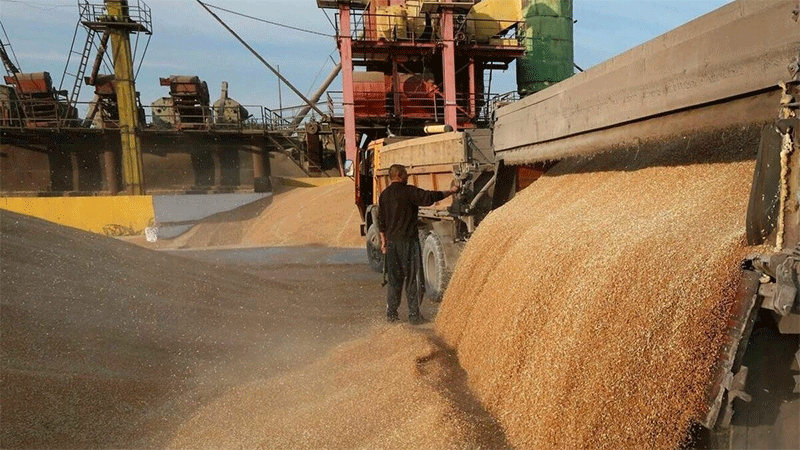
Over the first seven months of 2025, Bashkiria’s grain and grain product exports collapsed to 124,500 tons, a staggering 2.7-fold decrease compared to the same period in 2024 (335,900 tons), according to Rosselkhoznadzor. This sharp decline has wiped out an estimated 500 million rubles in revenue, leaving farmers and agribusinesses scrambling for solutions.
Where Did the Grain Go?
Bashkiria traditionally exports grain to 20+ countries, including EU members (Latvia, Poland), EAEU partners (Belarus), and Asian markets (Turkey, Mongolia). However, 2025’s export breakdown reveals a concerning drop:
- Wheat: 16,700 tons
- Barley: 4,700 tons
- Rapeseed: 2,800 tons
- Flax: 20,000+ tons (a rare bright spot)
Total shipments amounted to just 2,700 export batches, down from 350,000 tons in early 2024—a 12% increase at the time that now seems like a distant memory.
Root Causes: Sanctions, Logistics, and Price Collapse
Experts like Ilya Mosiagin point to a perfect storm of challenges:
- Sanctions & Closed Markets: The EU’s restrictions have blocked traditional buyers, forcing reliance on longer, costlier land routes to Asia.
- Transport Costs: Bashkiria’s landlocked location exacerbates expenses. Rail and truck shipments to China or Turkey now cut deep into profits.
- Global Price Crash: Russia’s record 2024 harvest (including in Bashkiria) flooded markets, pushing wheat prices to multi-year lows—below production costs for many farmers.
Adapting to Survive
Facing unprofitable exports, Bashkir farmers are pivoting:
- Domestic Focus: Boosting sales of wheat, barley, and processed goods (flour, malt, oil) within Russia.
- Value-Added Exports: Processed products like sunflower oil and dairy are gaining traction in CIS and Asian markets.
- Crop Diversification: High-demand niche crops (flax, mustard) help offset losses.
A Call for Resilience
Bashkiria’s grain sector is at a crossroads. While sanctions and logistics may not ease soon, the shift to domestic markets, processed goods, and alternative crops offers a path forward. Investments in storage, processing tech, and new trade corridors will be critical to weathering the storm.
Error



