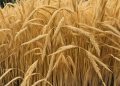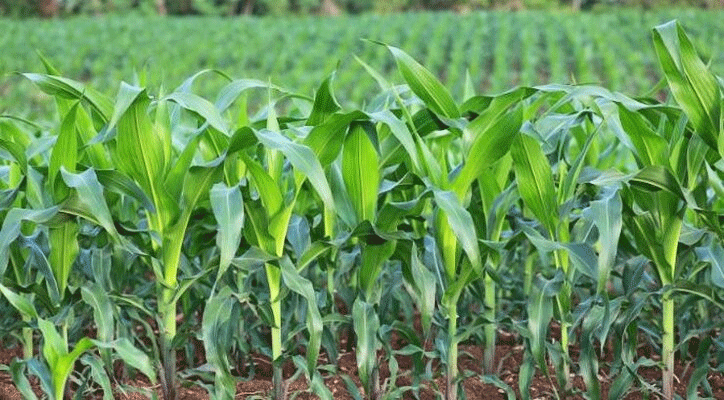
The USDA’s latest weekly report highlights contrasting fortunes for major US crops amid variable weather conditions. While corn and spring wheat show promising growth, soybeans and winter wheat face declining conditions, raising concerns for farmers and agronomists ahead of harvest.
Soybeans: Slipping Conditions Amid Near-Complete Planting
- 66% of soybeans are rated good/excellent, down 2% from last week.
- 93% of planned soybean acreage has been planted, with 84% emerged.
- Analysts attribute the dip to excessive rainfall in the Midwest, which has caused waterlogging in key states like Iowa and Illinois (USDA, June 2024).
Winter Wheat: Persistent Challenges
- Just 52% of winter wheat is in good/excellent condition, a 2% weekly decline.
- Drought stress in the Southern Plains (Kansas, Oklahoma) and fungal diseases in wetter regions continue to pressure yields (Farm Progress, 2024).
Bright Spots: Corn and Spring Wheat
- Corn conditions improved slightly, with 75% rated good/excellent, supported by timely rains in the Corn Belt.
- Spring wheat jumped 4% week-over-week to 57% good/excellent, benefiting from cooler temperatures in the Northern Plains.
- 89% of spring wheat is planted, with 4% emerged, signaling a strong start (USDA).
Cotton and Pastures: Moderate Performance
- Cotton stands at 48% good/excellent, with Texas growers reporting slow progress due to heat stress.
- Pastures and rangeland are 46% good/excellent, reflecting recovery in Central states after spring rains.
Market and Climate Implications
The diverging crop conditions could reshape 2024 commodity markets:
- Soybean futures may rise if yields weaken further, while spring wheat’s rebound could stabilize prices.
- Winter wheat production is now projected 5% below 2023 levels, per the Chicago Board of Trade.
- Climate models predict above-average summer temperatures for the Midwest, urging farmers to prioritize drought-resistant hybrids (NOAA, June 2024).
The USDA’s report underscores the volatility of modern farming, where microclimate shifts can make or break a season. Proactive management—disease monitoring, irrigation adjustments, and crop diversification—will be critical to mitigating risks.
Error