Transforming Solar Energy into a Green Fertilizer Solution
Engineers from UNSW Sydney have developed a groundbreaking method to produce ammonia using sunlight and wastewater, revolutionizing the traditional, environmentally harmful ammonia production process. This innovation promises to significantly reduce greenhouse gas emissions associated with fertilizer production.
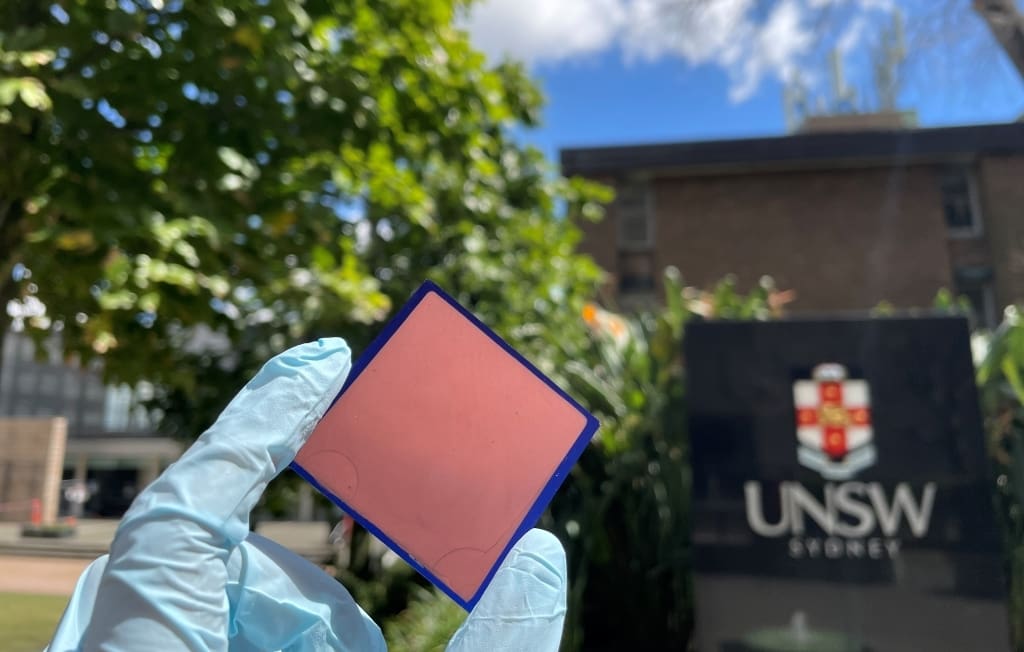
The University of New South Wales (UNSW) has unveiled a novel approach to ammonia production through an artificial leaf system that harnesses solar energy. This cutting-edge technology, developed by UNSW Scientia Professor Rose Amal, in collaboration with Professor Xiaojing Hao and their research teams, aims to create a more environmentally friendly method of producing ammonia, a critical component in fertilizers essential for global agriculture and food production.
Innovative Photoelectrocatalytic Process:
The newly developed process, known as photoelectrocatalytics (PEC), utilizes a specially designed solar panel that functions similarly to an artificial leaf. This panel, equipped with a nano-structured thin layer of copper and cobalt hydroxide, acts as a catalyst to facilitate the conversion of nitrate-containing wastewater into ammonium ions. The research, recently published in the Journal of Energy and Environmental Science, demonstrates the potential of this technology to produce ammonia without the need for high temperatures and fossil fuels, which are typically required in conventional methods.

Significant Environmental Benefits:
Traditional ammonia production is energy-intensive, requiring temperatures between 400 to 500 degrees Celsius and high pressure, leading to substantial greenhouse gas emissions. In contrast, the artificial leaf system developed by UNSW operates at ambient conditions, using only sunlight to drive the chemical reactions. This advancement not only reduces the carbon footprint of ammonia production but also decentralizes the process, potentially allowing for on-site production in agricultural locations, further lowering CO2 emissions associated with transportation.
Field Implementation and Future Prospects:
The research team has successfully built a 40cm² artificial leaf system on the roof of the Tyree Energy Technologies Building at UNSW, capable of producing sufficient ammonium ions to support 1.49 square meters of cropland. The next steps involve scaling up the system to enhance its practical application in real-world agricultural settings. Professor Amal and her team are keen to collaborate with industry partners to commercialize this technology and achieve broader environmental goals, including Net Zero emissions by 2050.
Real-World Applications and Impact:
This innovative approach holds promise for transforming nitrate waste into a valuable commodity, providing a clean, efficient, and cost-effective solution for utilizing solar energy and chemical wastes. The processed wastewater, after ammonia extraction, could be repurposed for irrigation, promoting sustainable water use in agriculture. By integrating this system with traditional solar panels, the team aims to produce ammonia in a greener manner, minimizing CO2 emissions and contributing to global climate targets.
The UNSW team’s work exemplifies how interdisciplinary expertise in photovoltaics and chemical engineering can lead to transformative solutions in sustainable agriculture. As the project progresses, it represents a significant step towards more eco-friendly fertilizer production and a reduced environmental footprint in the agricultural sector.
Error