Exploring the Role and Processing of Cereal Grains in the Global Food Industry
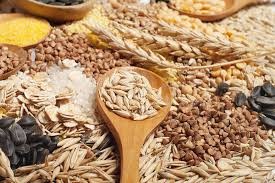
Cereal grains, including wheat, corn, rye, oat, and rice, are foundational to human nutrition and energy. As the most consumed food group worldwide, they occupy approximately 60% of the world’s cultivated land. This article delves into the significance of cereal grains, their various forms of consumption, and the challenges faced in preserving their quality.
Nutritional and Economic Importance
Cereal grains are integral to diets globally due to their rich nutrient and energy content. They provide essential carbohydrates, proteins, vitamins, and minerals. Their versatility makes them suitable for a wide range of food products, contributing significantly to food security and the economy.
Forms of Consumption
Cereal grains are consumed in several forms:
- Direct Consumption: Cooked cereals such as rice and maize are eaten directly after cooking.
- Flours and Processed Products: Grains like wheat, maize, rice, and rye are ground into flours to make biscuits, cookies, and bread. Bread is typically made from wheat and rye flours through yeast fermentation.
- Manufactured Products: Dried cereal products from wheat, maize, oats, and rice are used to produce dough, batter, pasta, noodles, pastries, and cakes.
Preservation Challenges
Despite their widespread consumption, cereal products are susceptible to spoilage, affecting their taste, aroma, appearance, and overall quality. This spoilage can be physical, chemical, or microbiological:
- Physical Spoilage: Changes in texture and appearance due to moisture loss or gain.
- Chemical Spoilage: Oxidation and rancidity affecting flavor and nutritional value.
- Microbiological Spoilage: Growth of bacteria, molds, and yeasts that can lead to foodborne illnesses and degradation of product quality.
Importance of Quality Control
Maintaining the quality of cereal products is crucial for consumer safety and satisfaction. Quality control measures in processing and storage include:
- Proper Storage Conditions: Keeping cereals in dry, cool environments to prevent spoilage.
- Preservative Use: Employing food-grade preservatives to extend shelf life.
- Hygienic Processing: Ensuring cleanliness in production to avoid contamination.
Conclusion
Cereal grains are vital to global diets and economies, but their quality must be carefully managed to ensure they remain safe and enjoyable to consume. Continued research and development in cereal processing and preservation techniques are essential to meet the growing demands and ensure the longevity of these staple foods.
Error