

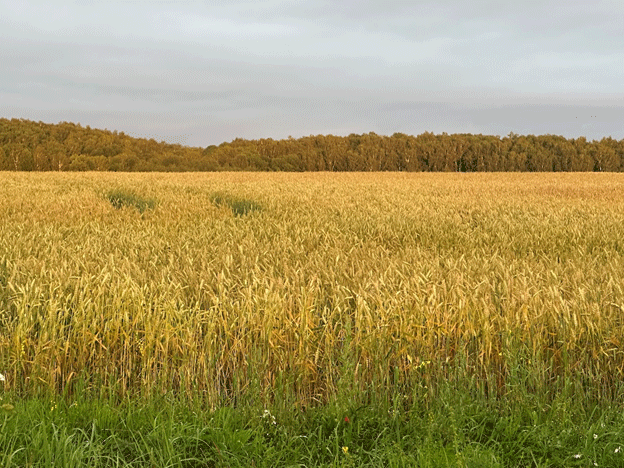
Rye, historically one of Russia’s key crops, is being planted less and less each year. This trend has raised alarms about the future of rye bread, a symbol of Russian culinary heritage. Despite growing consumer interest in bread products, including rye bread, the economics of rye cultivation have made it increasingly unappealing to farmers.
Bread Market Dynamics
The bread market in Russia is robust, with annual production estimated at 11 million tons. When accounting for small-scale producers often overlooked by official statistics, this figure rises by 2–2.5 million tons. In 2023, for the first time, the bread market surpassed 1 trillion rubles in value, with growth expected to reach 1.08 trillion rubles in 2024, according to Yuri Katsnelson, President of the Russian Guild of Bakers and Confectioners.
Despite this growth, the structure of bread production leans heavily on small and micro-businesses, which constitute 99% of the market. Rural areas, however, remain underserved, with only 1.2 bakeries per 10,000 residents, compared to 3.4 in Western Europe.
Challenges in Rye Production
Rye faces multiple hurdles:
- Economic Viability: In 2023, rye prices fell below the cost of production, averaging around 9 rubles per kilogram. This forced many farmers to switch to more profitable crops.
- Market Isolation: Unlike wheat, rye is not widely exported. This limited market restricts price growth and leaves rye farmers at a disadvantage.
- Reduced Cultivation: Rye is now grown at a fraction of the scale of wheat and barley.
Consumer and Industry Trends
While demand for bread is stable, the popularity of rye bread has plateaued due to limited varieties and insufficient processing infrastructure. The lack of a comprehensive rye development program, as seen in Finland, further hampers growth. Finland’s 15-year state initiative on rye has led to increased cultivation and consumption, emphasizing rye’s health benefits and culinary potential.
Policy Gaps and Market Distortions
Current agricultural policies favor large-scale producers and exporters, as seen in the sunflower oil market. Export duties have depressed sunflower seed prices while benefiting oil producers. Similar regulatory imbalances affect rye, where low farmgate prices coexist with rising consumer costs for rye bread.
Outlook for Rye and Bread
Rye bread prices are expected to rise as supply tightens. The normalization of supply chains and pricing might occur by 2025, but only if retail prices for rye bread align with market realities. For a sustainable future, a multi-pronged approach is needed:
- Government investment in rye cultivation and processing.
- Support for rural bread production through targeted programs like “Rural Baking.”
- Greater consumer awareness of rye’s nutritional and dietary benefits.
The decline of rye cultivation in Russia is symptomatic of broader challenges in agricultural regulation and market dynamics. Addressing these issues requires coordinated efforts from policymakers, producers, and consumers. Investing in rye could preserve a vital part of Russia’s food culture while ensuring food security and economic sustainability.
Error