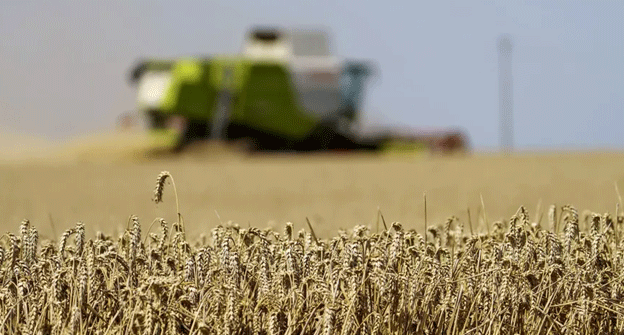
As the summer of 2024 came to a close, the Russian agricultural sector witnessed a notable 7% rise in domestic wheat prices. This increase marks the steepest price surge since May 2024, driven by a combination of reduced harvests and declining exports both in Russia and across the European Union. Despite these developments, export prices have remained stagnant, creating a complex pricing environment that raises questions about the future of Russia’s primary agricultural export.
Declining Wheat Acreage and Market Dynamics
The rise in domestic wheat prices follows a reduction in wheat planting areas. Russian farmers, grappling with previously low wheat prices, cut their wheat acreage by 1.2 million hectares. This reduction in planted area has now begun to impact supply, with harvest yields falling short of earlier projections. As a result, domestic prices surged from 13,000 rubles per ton to over 14,000 rubles per ton in August.
However, the wheat pricing landscape is far from straightforward. Prices vary significantly depending on where the grain is sold and to whom. Internal prices, which reflect transactions between farmers, wholesalers, and processors, differ from port prices, which include additional costs such as transportation to the port and trader margins. Export prices incorporate the port price plus the exporter’s margin, and global prices reflect the broader market dynamics influenced by other major grain-producing countries.
As of early September, domestic wheat prices rose sharply, with a 7.6% increase recorded in a single month. Port prices also increased, reaching 16,400 rubles per ton, while export prices held steady at $220 per ton. This disparity highlights the complex relationship between internal market conditions and the global wheat market, where prices have remained relatively stable despite regional fluctuations.
Potential Implications for Russian Farmers
While the rise in domestic prices may seem like a positive development for Russian farmers, the situation is more nuanced. The price increase has been driven primarily by reduced supply, rather than increased demand. The stagnation in export prices further complicates the situation, as many Russian farmers rely on international markets to sell their wheat. The higher domestic prices do not necessarily translate to increased profitability for farmers, especially when export opportunities remain limited.
Furthermore, the ongoing geopolitical and economic uncertainties, including sanctions and trade restrictions, continue to exert pressure on Russian agricultural exports. The inability to fully capitalize on the rising domestic prices, combined with the challenges of maintaining competitiveness in global markets, means that many Russian farmers may struggle to benefit from the recent price surge.
The recent rise in Russian wheat prices reflects a broader trend of market volatility, driven by reduced harvests, regional disparities in pricing, and global economic challenges. While the domestic price surge provides some relief to farmers facing declining yields, the stagnant export prices underscore the ongoing difficulties in navigating the international wheat market. For Russian farmers, the road ahead remains uncertain, as they continue to balance the complexities of domestic and global market dynamics.
Error