

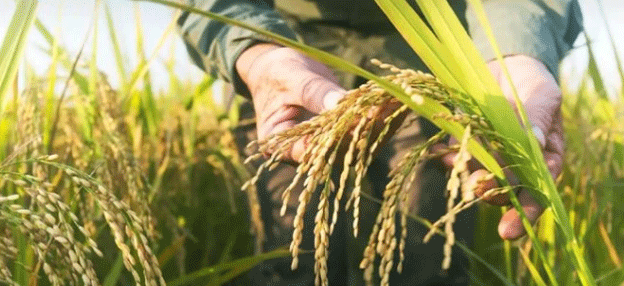
Thailand’s rice industry is facing a promising outlook for 2024, with exports expected to surpass last year’s figures despite the recent challenges posed by flooding. The Thai Rice Exporters Association (TREA) has reported that the overall impact of these floods on rice production remains uncertain, particularly since the country’s vital rice-growing regions in the Northeast have largely been unaffected.
Strong Production Forecasts
According to TREA President Chookiat Ophaswongse, rice production in Thailand is projected to reach between 33 million and 34 million tonnes this year, an increase from the 32 million tonnes harvested in 2023. This increase can be attributed to several factors, including favorable weather conditions earlier in the season and effective agricultural practices that have helped mitigate potential losses.
In recent years, Thailand has consistently been one of the world’s leading rice exporters, known for high-quality jasmine rice and other varieties. The ability to maintain and even increase production levels during adverse weather conditions showcases the resilience of Thai farmers and the industry as a whole.
The Role of Water Management
A critical factor influencing Thailand’s rice production is its water resource management. The Bhumibol Dam, a significant source of irrigation for the country, currently stands at 71% of its capacity. Efficient water management is vital for sustaining rice cultivation, particularly as the demand for water increases during the dry season.
Chookiat emphasized the importance of maintaining adequate water levels in reservoirs to support rice farming in the coming year. Ensuring sufficient water resources will be essential not only for immediate crop yields but also for the long-term sustainability of the rice sector.
Export Growth Amidst Global Changes
In the first nine months of 2024, Thailand exported approximately 7 million tonnes of rice, with expectations for continued growth driven by pending orders. The global rice market has been significantly affected by India’s recent export ban, which has created opportunities for Thailand to fill the supply gap. India, traditionally one of the largest rice exporters, has restricted its exports to stabilize domestic prices, leading to increased demand for Thai rice.
Experts anticipate that Thailand will continue to capitalize on this situation, as buyers seek reliable alternatives. The combination of higher production levels and strong international demand positions Thailand favorably in the global rice market.
As Thailand navigates the challenges posed by flooding and the evolving global market, the outlook for rice exports in 2024 remains optimistic. The country’s ability to enhance production while managing water resources effectively will play a pivotal role in sustaining its status as a leading rice exporter. With the right strategies in place, Thailand’s rice industry is poised for continued growth, ensuring food security and economic stability for its farmers and stakeholders.
Error