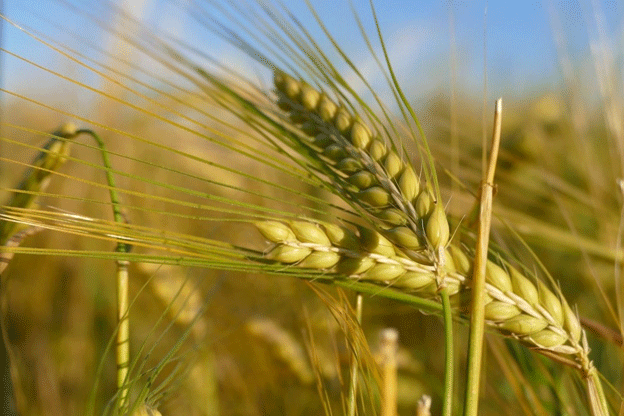
Barley Feed Prices in Kazakhstan Experience Sharp Increase
The barley feed market in Kazakhstan has witnessed a notable price surge this week, attributed to the near-total exhaustion of seasonal grain stocks among farmers. As of July 24, the demand prices for barley have escalated to 65,000-70,000 KZT per ton, reflecting an increase of 1,000-2,000 KZT per ton compared to the previous week.
Understanding the Price Surge: Market Dynamics and Data
According to recent monitoring data, the upward trend in barley feed prices in Kazakhstan is a direct result of dwindling supply. The exhaustion of grain reserves at this time of year is a seasonal occurrence, but the current scenario is exacerbated by lower-than-expected yields and delayed harvesting schedules. This combination of factors has led to a supply crunch, pushing prices higher.
Comparative analysis with previous years’ data reveals that such price hikes are not unprecedented but are particularly pronounced this year. For instance, in the same period last year, barley prices saw a more modest increase of around 500-1,000 KZT per ton. This year’s steeper rise suggests a more severe supply constraint, potentially linked to climatic conditions and shifts in planting patterns.
Broader Implications for the Agricultural Sector
The rising cost of barley feed has several implications for Kazakhstan’s agricultural sector. Firstly, it increases the cost of livestock production, as feed constitutes a significant portion of the expenses. This can lead to higher prices for meat and dairy products, impacting both producers and consumers.
Moreover, farmers might be incentivized to shift their planting strategies, potentially increasing barley cultivation in the next season to capitalize on higher prices. This shift could affect the production balance of other crops, influencing the overall agricultural landscape.
In response to these developments, agronomists and agricultural engineers are likely to focus on optimizing barley yields and improving storage practices to mitigate future supply shocks. Scientists working in agriculture may also prioritize research on drought-resistant barley varieties and more efficient cultivation techniques.
The current price trends in Kazakhstan’s barley feed market underscore the intricate balance between supply and demand in the agricultural sector. With grain reserves depleted, prices have surged, reflecting both seasonal patterns and specific challenges of this year. As stakeholders navigate this dynamic market, strategic planning and innovative solutions will be essential to ensure stability and profitability.