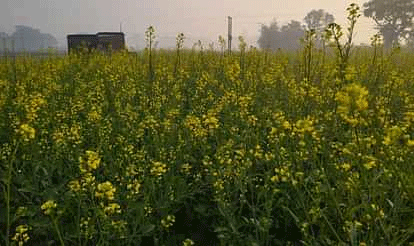
As December draws to a close, Sultanpur’s agricultural landscape has experienced an unexpected shift in weather patterns, with light rain falling across the region. The sudden drizzle on Tuesday marked a significant change as clouds blanketed the sky, and the absence of sunshine led to a notable drop in temperatures. While the cold weather typically sets in by late December, the timing of this rain has been seen as beneficial by local farmers, especially those growing wheat and mustard.
Impact on Wheat and Mustard Crops
According to local farmers, the recent rain, which is often referred to as boondabandi (drizzle), has provided a much-needed boost to the wheat and mustard crops. This is a crucial period for these rabi crops, as they are highly sensitive to water stress and temperature fluctuations. The light rain has enhanced the moisture content in the soil, which is particularly beneficial for the root development of these crops, helping them grow more vigorously.
Wheat and mustard require specific climatic conditions for optimal growth, and this timely rain has ensured that the plants receive the necessary hydration. Farmers believe that this will lead to healthier crops, higher yields, and better overall quality, provided that the weather remains conducive to further growth in the coming weeks.
Weather Patterns and Agricultural Significance
The rain has arrived just as the region was facing dry conditions, which could have negatively impacted the crop yield if prolonged. In fact, the drop in temperature and cloud cover have created the ideal conditions for the development of wheat and mustard, which thrive in cooler, wetter climates during the rabi season.
In recent years, the unpredictable weather patterns, including sporadic rainfall and temperature shifts, have become more common due to changing climatic conditions. The Sultanpur rain, although light, is seen as a welcome relief in such an uncertain weather scenario, and it underscores the importance of timely weather events in agriculture.
What Farmers Are Saying
Farmers in the region have expressed optimism about the rain’s impact on their crops. They note that the rain has helped prevent potential damage from dry conditions, and many believe it will lead to improved crop health in the upcoming weeks. However, they also understand that this benefit will only last if the temperatures remain favorable for crop growth and if there are no drastic changes in the weather in the coming days.
A Promising Turn of Events for Sultanpur Farmers
The light rain in Sultanpur has brought a breath of fresh air for wheat and mustard farmers, ensuring that the crops receive the required moisture at a crucial stage of growth. While this weather event is a positive development, it remains to be seen how the region’s agricultural season will unfold, as farmers will need continued favorable weather to achieve optimal yields. If the rain continues and temperatures stay moderate, Sultanpur’s agricultural community is likely to see a productive season ahead.
Error