Farming Meets Community: The Bean-Picking Initiative
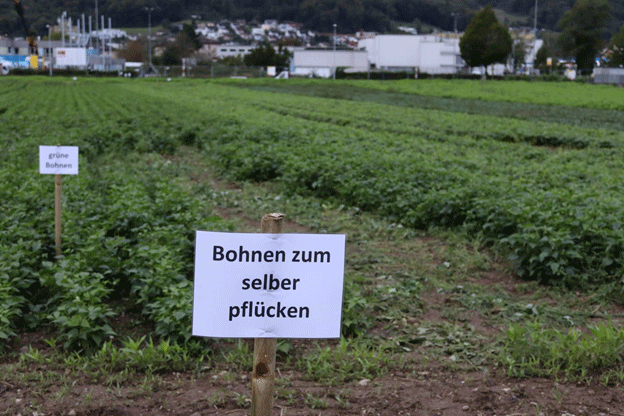
In the Swiss village of Stein, farmer and Gemeindeammann (municipal leader) Beat Käser has reintroduced bean farming with a modern twist: a self-pick field. Visitors to Käser’s farm can harvest their choice of yellow, green, or broad beans directly from the plants. This model has proven popular, with locals filling sacks and bowls with freshly picked produce, paying conveniently via the Twint app.
Originally, Käser grew beans and spinach for a commercial distributor. However, balancing the demands of vegetable production with his political duties led him to reconsider the traditional farming model. Inspired by requests from the community, Käser decided to cultivate beans again but shifted to a self-picking system.
Benefits for Farmers and Consumers
The self-pick model benefits both the farm and the local community. For Käser, the system allows him to adhere to agricultural guidelines, such as replanting within seven weeks of the previous harvest, while reducing labor costs. For consumers, it offers fresh, local produce at a lower cost than store-bought beans and fosters a connection with the source of their food.
The field features three varieties of beans:
- Yellow Beans: Planted on a nine-by-one-hundred-meter plot, this year’s yield has been particularly abundant.
- Green Beans: Also planted on a nine-by-one-hundred-meter plot.
- Broad Beans: Covering a smaller six-by-one-hundred-meter area.
With clear signage and instructions on-site, even first-time bean pickers can confidently harvest and prepare the produce at home. The laminated guide explains cooking tips and storage recommendations, ensuring the beans are used to their fullest potential.
Sustainable and Community-Oriented Farming
This approach aligns with sustainable farming practices. By engaging locals in the harvest, Käser minimizes waste and promotes environmental awareness. The initiative also contributes to crop rotation schedules, which are vital for maintaining soil health.
Moreover, the project strengthens community ties. Families, individuals, and bean enthusiasts frequent the field, turning agriculture into an interactive experience. This model echoes the tradition of self-picking strawberry fields and expands it to new crops, creating a sense of shared responsibility for local food systems.
Beat Käser’s self-picking bean initiative highlights the evolving relationship between agriculture and community engagement. By blending traditional farming with innovative practices, Käser has created a model that benefits both the farm and the consumers. As more people embrace self-picking, this initiative could inspire similar projects that strengthen local food systems and promote sustainable farming practices.
Error