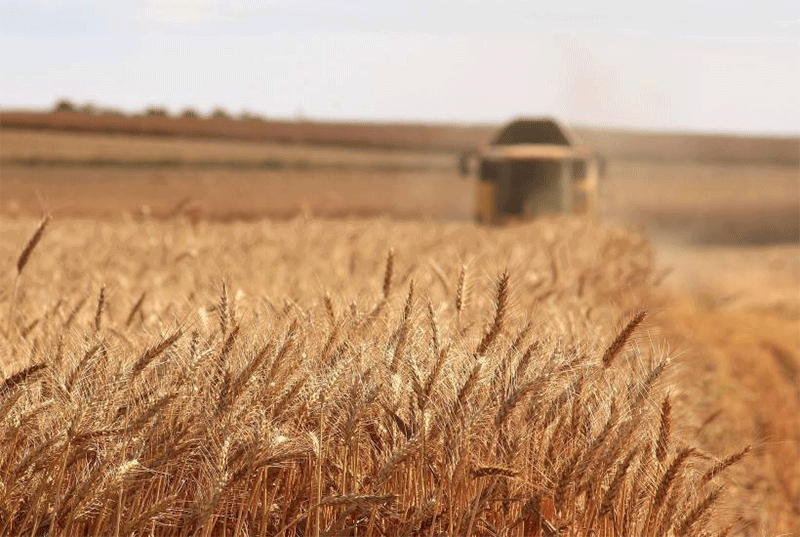
In 2024, Russia solidified its position as the world’s top wheat supplier to Egypt, exporting a historic 10 million tons—the largest single-country shipment in Russian grain export history (TASS, 2024). This milestone underscores Russia’s growing influence in global food security, particularly in regions dependent on grain imports.
Why Egypt Relies on Russian Wheat
Egypt, the world’s largest wheat importer, depends heavily on foreign grain to meet domestic demand, with bread being a staple for its 110 million population. Russian wheat, known for its competitive pricing and high gluten content, dominates Egypt’s import structure, accounting for over 60% of its total wheat purchases (USDA, 2024).
Russia’s Expanding Global Grain Trade
Beyond Egypt, Russia continues to dominate key markets:
- Turkey (5.2 million tons in 2023)
- Iran (3.8 million tons)
- Saudi Arabia, Bangladesh, and Algeria (collectively 6 million tons) (FAO, 2024)
The Black Sea logistics corridor provides a strategic advantage, reducing shipping costs and ensuring stable deliveries despite geopolitical tensions.
Challenges and Opportunities for Farmers
While Russia’s export success benefits large-scale producers, farmers worldwide must adapt:
- Diversification: Countries like India and China remain restrictive, but trade negotiations could open new markets.
- Climate Resilience: Drought-resistant wheat varieties are crucial as climate change impacts yields.
- Market Volatility: Sanctions and trade barriers require agile supply chain strategies.
Russia’s record exports highlight its pivotal role in global food security, particularly for import-dependent nations like Egypt. For agronomists and farm owners, staying informed on trade trends and investing in sustainable practices will be key to navigating this evolving landscape.
Error