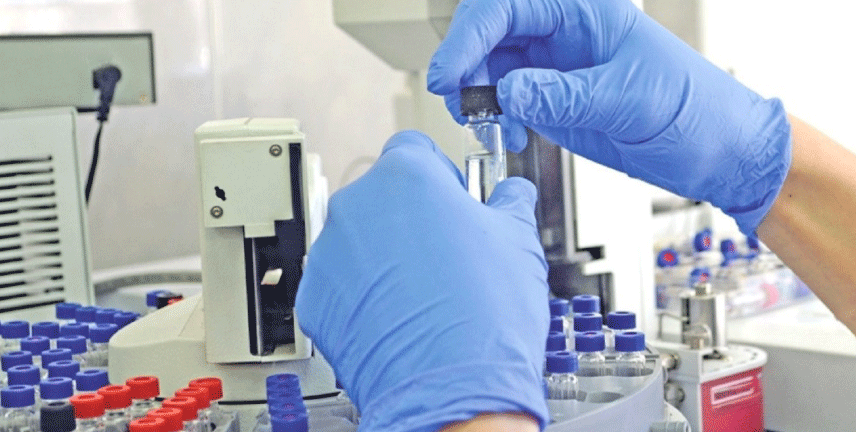
Laboratory analyses by the Federal Center for Agricultural Quality (FGBU “TsOK APK”) in Tatarstan have uncovered alarming pesticide contamination across key crops. From 535 tested grain and oilseed samples:
- 25 samples (4.7%) violated Eurasian Economic Union safety standards
- Wheat, barley, rye, and oats showed highest contamination rates
- Sunflower, rapeseed, mustard, and flax also contained dangerous residues
- Peas rounded out the list of affected crops
The Weather Connection
Lab deputy director Yulia Shafikova identifies climate extremes as a key factor:
- 2025’s record heatwaves increased pest pressures by 40% (Tatarstan Agromet Center)
- Frequent rainfall boosted fungal diseases, prompting extra spray applications
- Herbicide resistance in weeds has doubled chemical usage since 2020
Dangerous Compounds Detected
Testing revealed:
- Chlorpyrifos (banned in EU since 2020) in 18% of non-compliant samples
- Glyphosate at 2.3× permitted levels
- Fungicide cocktails exceeding safety thresholds
Market Fallout
- Export risks: Violations jeopardize shipments to China and EU markets
- Domestic impacts: Tatarstan supplies 15% of Russia’s wheat
- Health concerns: Linked to neurological damage and cancer risks (WHO data)
Solutions for Safer Harvests
- Integrated Pest Management
- Biological controls reduced pesticide use by 35% in pilot farms
- Trap cropping cuts chemical needs by 20%
- Precision Spraying
- Drone mapping lowers chemical use by 50%
- AI-powered weed detection minimizes blanket spraying
- Soil Health Focus
- Cover cropping builds natural disease resistance
- Mycorrhizal fungi enhance plant immunity
Regulatory Response
- Mandatory retraining for pesticide applicators
- Blockchain tracking of chemical inputs
- Stiffer penalties for repeat violators
A Turning Point for Russian Agriculture
Tatarstan’s pesticide crisis underscores the urgent need for:
- Climate-smart farming practices
- Strict enforcement of safety protocols
- Investment in non-chemical alternatives
Farmers who adopt ecological approaches now will gain market premiums while protecting Russia’s agricultural future.
Error