The Wheat Stem Sawfly: A Growing Threat
The wheat stem sawfly, native to Nebraska, has become a formidable challenge for wheat growers, particularly in the Panhandle region. This pest not only causes lodging (collapse of wheat stems) but also reduces grain size by interfering with the plant’s photosynthesis processes.
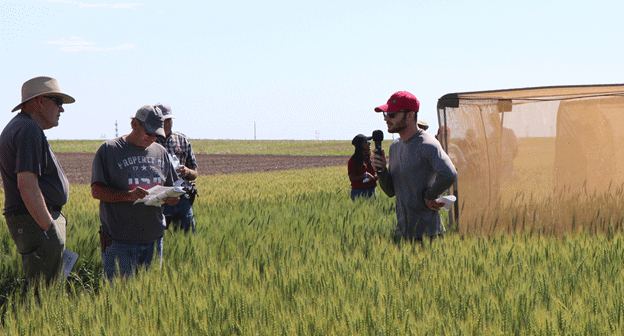
According to Amanda Easterly, a Nebraska Extension dryland cropping specialist, “Sawfly infestations result in smaller wheat heads, reduced yield, and compromised harvest efficiency.” The impact on wheat production has prompted intensive research at the High Plains Ag Lab (HPAL) by Team Sawfly, led by graduate researcher Vinicius Zuppa.
A Natural Ally: Parasitoid Wasps
A silver lining in the battle against the sawfly has been the increasing presence of Bracon spp., a parasitoid wasp that preys on sawfly larvae. In areas such as Sidney and the southern Panhandle, these wasps have begun to show measurable impacts on controlling sawfly populations.
These wasps incapacitate sawfly larvae early, preventing significant crop damage. To expand the wasps’ presence, Team Sawfly is pioneering an innovative relocation project. Straw bales from HPAL, considered a “parasitoid wasp nursery,” will be used to transport the wasps to infested fields.
“We’re essentially moving these good guys to where they’re needed most,” explained Pin-Chu Lai, Nebraska Extension Entomologist. “It’s a big collaborative effort, and we’re optimistic about its success.”
Lessons from Other Pests: The European Corn Borer
The forum also highlighted another pest, the European corn borer, which has re-emerged as a threat in parts of North America due to developing resistance to BT crops. Though this resistance hasn’t yet reached Nebraska, Extension entomologist Julie Peterson emphasized the importance of vigilance.
The European corn borer damages corn by tunneling into stalks and ears, reducing yields. Early detection is key, as it can help mitigate its impact through targeted interventions.
The Path Forward: Sustainable Pest Management
The integration of natural predators like parasitoid wasps into pest management strategies aligns with sustainable agricultural practices. These approaches reduce reliance on chemical treatments, support ecological balance, and improve long-term crop health.
Innovations such as the parasitoid wasp relocation project underscore the importance of research, collaboration, and ecological solutions in modern farming. By leveraging natural pest control methods, Nebraska wheat growers can enhance yields and safeguard their crops against pests like the wheat stem sawfly. Continued monitoring and adaptation, particularly for emerging threats like the European corn borer, will be essential for sustaining agricultural productivity in a changing environment.
Error