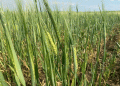
In the Podilsk district of northern Odesa region, LLC “Yasni Zori” has reported optimal moisture levels contributing to strong spike development in winter wheat. According to Alexander Lakey, Chief Agronomist of the enterprise, recent rainfall has significantly benefited crop growth.
Rainfall and Soil Moisture Enhance Crop Potential
Over the past week, 22 mm of precipitation was recorded in the area, with additional rain expected. Lakey notes that sufficient moisture in the top meter of soil, accumulated from May rains, provides the necessary reserves for spike formation and grain filling—a crucial factor in determining final yield.
“Current moisture levels allow plants to develop productive spikes and ensure good seed setting. The absence of extreme heat in the forecast further supports stable growth,” Lakey explained.
Monitoring and Adaptive Crop Protection
The agronomy team at Tekom Agro Group (which oversees “Yasni Zori”) highlights the importance of field-specific diagnostics and flexible disease management. While powdery mildew and yellow spot (Pyrenophora tritici-repentis) were observed in some fields, the most destructive threat—Fusarium head blight (scab)—has not yet appeared.
- Systemic fungicides were applied preventively to control pathogens.
- Lower May temperatures have slowed disease spread, but vigilance remains key.
Climate Challenges Demand Agronomic Adaptability
Lakey emphasized that pre-set agronomic plans must adjust to real-time conditions, especially after the stressful weather patterns in April. Each of the three farm divisions—Dibrovka, Mardarovka, and Abamelikovo—requires tailored strategies based on field-specific needs.
With adequate soil moisture and strategic crop protection, LLC “Yasni Zori” is well-positioned for a strong winter wheat harvest. However, ongoing monitoring and adaptive management will be essential to mitigate risks from diseases and climatic variability.
Error