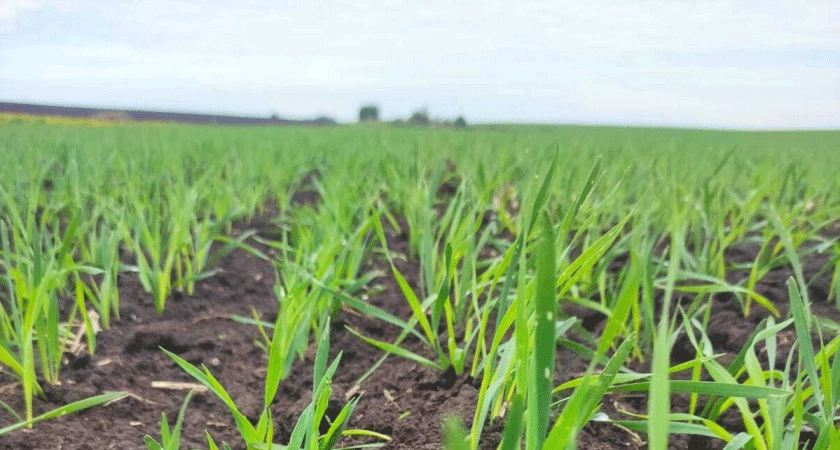
On May 21, agricultural experts from the regional agricultural department and the Rosselkhozcenter branch inspected the fields of SPK “Spasskoye” and Agrofirm “Suzdal’skiye Zori” in the Suzdal district. The inspection took place directly in the fields, where the results of the spring sowing campaign were already visible.
Crop Distribution and New Varieties
According to the Vladimir Oblast Ministry of Agriculture, SPK “Spasskoye” has allocated 2,625 hectares for crops, including:
- 675 ha of winter wheat
- 490 ha of triticale
- 292 ha of rapeseed
- The remaining area is dedicated to corn, alfalfa, and oilseed radish.
A trial batch of winter rapeseed, “Laureat” (115 ha), successfully overwintered and is now in bloom. Meanwhile, a new spring triticale variety, “Sel’tso,” is being prepared for expanded propagation, with seeds expected to be available to farms by 2025.
At “Suzdal’skiye Zori” (3,700 ha), spring sowing concluded on May 15. The farm is focusing on:
- Spring wheat (“Vitaliya” variety)
- Barley
- Winter wheat
- Peas
Both farms have already begun inter-seasonal maintenance, including weed control, fertilization of winter crops, and plant protection measures to ensure a strong foundation for the upcoming harvest.
The Potential of New Triticale and Wheat Varieties
Triticale, a hybrid of wheat and rye, is gaining attention for its high yield potential and resistance to harsh conditions. According to recent studies, triticale can produce 10-15% higher biomass compared to traditional wheat in marginal soils (FAO, 2023). Meanwhile, new wheat varieties like “Vitaliya” are bred for disease resistance and improved protein content, crucial for both food and feed markets.
The ongoing trials in Suzdal highlight the agricultural sector’s push toward innovative, resilient crop varieties. If successful, these new triticale and wheat strains could offer farmers higher productivity and sustainability, particularly in challenging climates. Continued monitoring and research will be key to their widespread adoption.
Error