

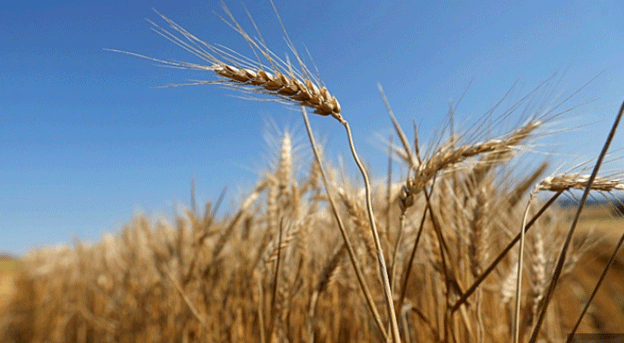
In May 2022, India imposed a ban on wheat exports in response to domestic shortages caused by severe heatwaves, which negatively impacted the wheat harvest. This decision has sent shockwaves through global markets, as India is one of the largest wheat producers in the world. Economists have warned that this move could have serious repercussions, particularly in countries dependent on wheat imports, including Indonesia.
Bhima Yudhistira, the Director of the Center for Economic and Law Studies (Celios), expressed concerns that the ban could lead to higher food inflation globally. While India does not supply the largest share of wheat to countries like Indonesia—whose total wheat imports stand at around 11.7 million tons—its decision to halt exports has nonetheless triggered a scramble for alternative wheat sources. As a result, the supply of wheat has become more constrained, leading to price hikes on global markets.
Implications for the Indonesian Market
Although India is not the primary wheat supplier to Indonesia, the export ban still has significant implications for the country. As countries competing for wheat supplies face limited availability, the price of wheat—and products derived from wheat such as flour—has increased. The food and beverage industry, heavily reliant on wheat flour for products like bread, noodles, and pastries, is especially vulnerable to these price increases.
The Indonesian food industry, which imports a substantial amount of wheat, is facing higher production costs. This, in turn, forces manufacturers to raise prices, passing the cost burden to consumers. The end result is a visible increase in food prices, exacerbating inflation and creating financial strain for both consumers and businesses.
The Global Outlook on Wheat Supply and Inflation
The global wheat market, already under pressure from the effects of climate change, geopolitical tensions, and disrupted supply chains due to the COVID-19 pandemic, is now grappling with additional instability caused by India’s export ban. Other major wheat-exporting countries like Russia, the European Union, and the United States could face increased demand, pushing prices even higher. Additionally, as these countries step up their wheat exports to meet demand, local markets may experience shortages, further amplifying price inflation in the food sector.
The World Bank and the Food and Agriculture Organization (FAO) have already warned that the wheat market is poised for volatility in the coming months, especially if more exporting countries follow India’s lead in restricting exports to secure their domestic food supplies. This trend could contribute to long-term inflationary pressures, especially in emerging economies heavily reliant on wheat for staple foods.
Navigating the Impact of Wheat Supply Constraints
India’s decision to ban wheat exports serves as a stark reminder of the fragility of global food supply chains and the interconnectedness of international trade. While the direct impact on countries like Indonesia may be limited, the ripple effects on global wheat markets and food prices are undeniable. Countries dependent on wheat imports will likely face rising food costs, which could lead to increased inflation in food prices. For farmers, agronomists, and food industry stakeholders, this underscores the importance of diversifying supply chains and exploring alternative crops and sources of wheat to ensure food security in an unpredictable global market.
Error


