Recent reports from the Rosselkhozcenter branch in the Republic of Bashkortostan highlight an alarming spread of Helminthosporium leaf spot (Bipolaris sorokiniana) in barley fields. Given the current weather conditions—high humidity and temperatures between +18°C and +23°C—the disease is at risk of rapid expansion across grain crops.
Symptoms and Damage
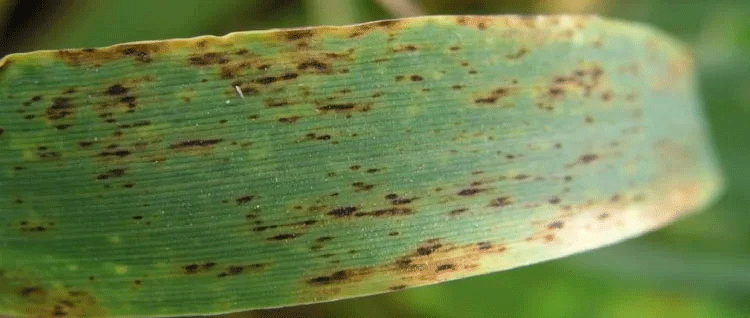
The disease initially appears as small brown spots on barley and wheat leaves during the tillering phase. These spots elongate into dark brown or black streaks with a net-like pattern. As the infection progresses, lesions expand along leaf veins, surrounded by a chlorotic yellow border. Severely affected leaves die off, weakening the plant and reducing photosynthetic capacity.
Yield losses from Helminthosporium infections can range from 15% to over 45%, depending on environmental conditions and crop susceptibility.
Favorable Conditions for Disease Development
- Temperature range: +8°C to +33°C (optimal: +22°C to +25°C)
- Humidity requirement: 100% (at least 6 hours of leaf wetness)
- Incubation period: 20 hours to 10-14 days, depending on weather
Management Strategies
- Regular Monitoring – Inspect crops frequently, especially during humid and warm periods.
- Fungicide Applications – Apply protective or curative fungicides when disease prevalence exceeds the economic threshold of 15% infection.
- Resistant Varieties – Where available, use barley cultivars with improved resistance to Helminthosporium.
- Crop Rotation & Residue Management – Reduce inoculum by rotating crops and removing infected plant debris.
Helminthosporium leaf spot poses a severe threat to barley yields, particularly under warm, wet conditions. Proactive scouting and timely fungicide interventions are essential to minimize losses. Farmers and agronomists must prioritize integrated disease management to safeguard grain production.
Error