
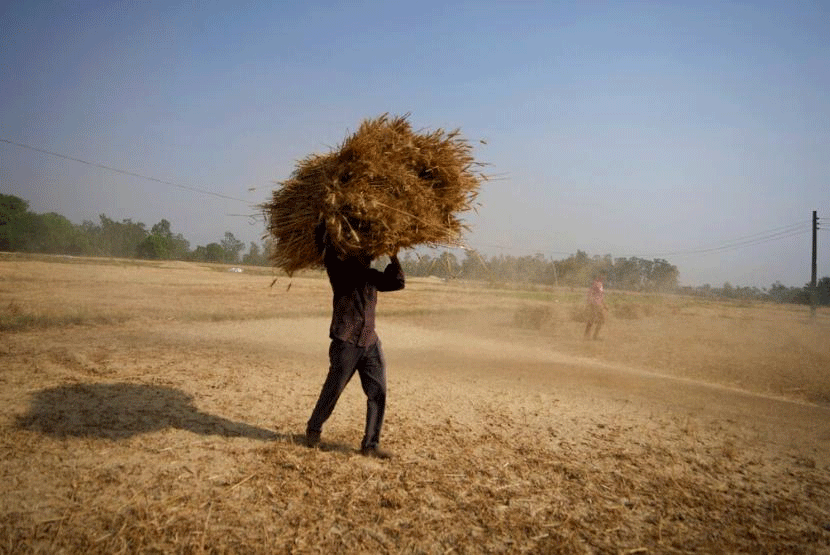
China, historically the world’s top wheat importer, has recently secured 400,000–500,000 metric tons of milling-quality wheat from Australia and Canada for July-August 2025 deliveries. This comes as scorching temperatures and prolonged drought threaten yields in major agricultural regions like Henan, Shaanxi, and Jiangsu.
According to trading sources, China booked four to five shipments of Australian wheat (55,000 tons each) and around 200,000 tons from Canada. The move follows alarming reports from China’s National Climate Center, which warned that inadequate irrigation in northern provinces could slash wheat output. Meanwhile, rice harvests in Guangxi, Sichuan, and Yunnan have already dropped due to drought-stunted growth.
Climate Crisis Forces Emergency Measures
To combat erratic weather, China’s government unveiled a disaster mitigation plan on May 9, 2025, focusing on flood prevention, typhoon response, and pest control. State broadcaster CCTV highlighted the urgency as Henan—a key wheat-producing province—faces its worst drought in decades. The Xinhua News Agency reported that sudden rainfall shifts could trigger flash floods, further endangering dry wheat crops.
Global Market Implications
While China’s wheat imports dipped in 2024, the current production shortfall may reverse that trend. The USDA estimates global wheat stocks at 264 million metric tons (2024/25), but rising demand from importers like China could tighten supply. Australia, a major exporter, is already seeing increased trade, with ABARES forecasting a 26-million-ton wheat harvest this season.
China’s drought-driven import surge underscores agriculture’s vulnerability to climate change. For farmers and agronomists worldwide, this signals both challenges (volatile yields) and opportunities (export demand). Proactive measures—like drought-resistant crops and efficient irrigation—will be critical to ensuring food security in an era of extreme weather.
Error