Harvest 24: Anglesey Farmer Drills Post-Harvest Summer Barley to Maximize Yield
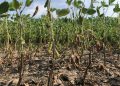
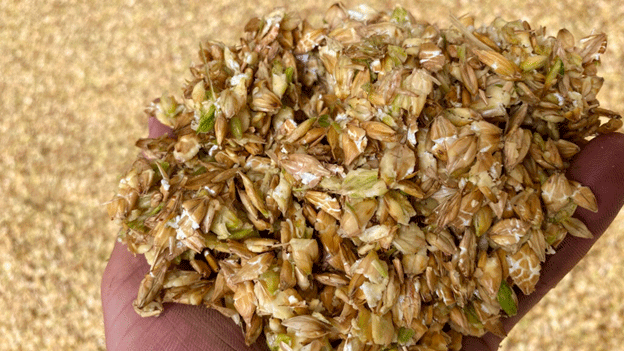
Dylan Jones, a mixed farmer from Anglesey, is making significant strides in harvesting his 45-hectare winter barley crop for crimping, despite a two-week delay due to wet weather. Starting the harvest on July 1st, Jones’s winter barley variety Tardis yielded an impressive 9.8 tonnes per hectare at 29% moisture. With a focus on disease control and innovative cropping strategies, Jones plans to capitalize on the season by planting a summer barley and red clover mix.
Successful Winter Barley Harvest
Jones has managed to keep his crops relatively disease-free with two fungicide sprays, despite the high humidity and frequent rain typical of Anglesey’s microclimate. “We seem to have our own microclimate here on Anglesey. High humidity levels and lots of rain can make disease control a challenge, but this year crops have been relatively disease-free,” Jones remarked.
The harvested land is now prepped for a quick turnaround, with a spring barley and red clover “summer crop” mix being planted to exploit the full growing season. This double-cropping method not only maximizes land use but also provides high-protein feed for Jones’s 1,600 beef cattle, all without the added cost of drying fees.
Innovative Double-Cropping Strategy
Jones’s approach includes spreading manure and ploughing the harvested winter barley land before sowing Planet spring barley at a rate of 125kg/ha. Within 24 hours, he plants red clover at 15kg/ha, aiming for a harvest in eight to ten weeks. The use of red clover eliminates the need for nitrogen fertilizers, relying instead on natural nitrogen fixation to nourish the spring barley.
“Planting a summer crop allows us to get the most of every acre. If there’s ever a season to double crop, it’s this one – it has been really challenging with all the wet weather, so this is a good opportunity to increase forage stocks,” Jones explained.
Jones’s goal is to combine the crop, though whole cropping might be more practical if September brings unsettled weather. The harvested crop will provide additional high-protein cattle feed, crucial for maintaining forage stocks in a challenging season.
Upcoming Harvest Plans
Following the completion of the winter barley harvest, Jones will focus on his 90 hectares of spring barley, which is also designated for crimping. Despite ongoing battles with rain showers, Jones remains optimistic and determined. “I’m currently still battling on with the winter barley between the rain showers. I’ll then be heading off to the Royal Welsh Show, and after we will go straight into the spring barley,” he stated.
Dylan Jones’s innovative double-cropping strategy showcases how farmers can adapt to weather challenges and maximize land productivity. By leveraging crimping and careful crop planning, Jones not only enhances his yield but also ensures a steady supply of high-quality feed for his livestock. This approach highlights the potential benefits of integrating traditional practices with modern agricultural techniques to improve resilience and efficiency in farming.
Error