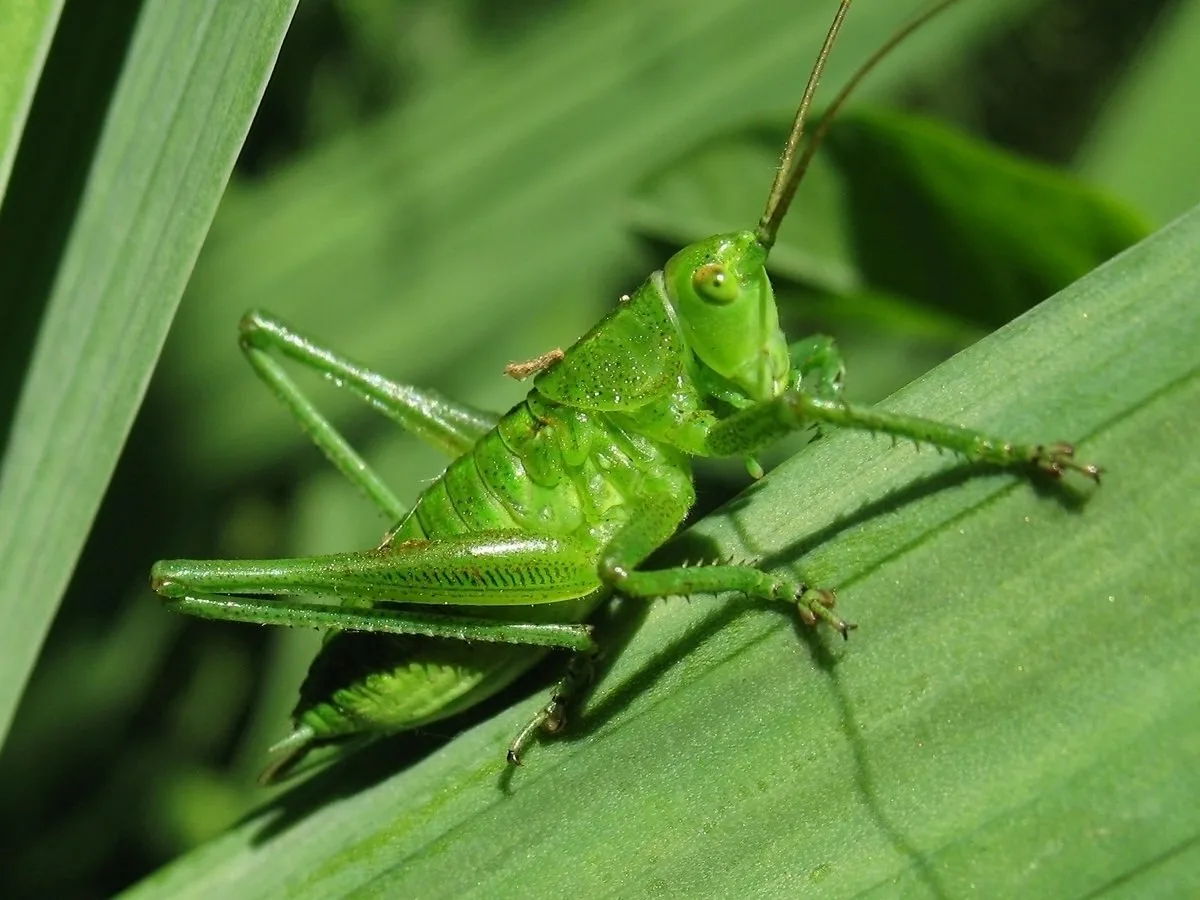
How Grasshoppers and Mormon Crickets Are Impacting Forage Crops and What Farmers Can Do About It
Grasshoppers and Mormon crickets have become major pests in the Western U.S., with severe consequences for agriculture across rangelands and forage crops. Recent reports highlight that these invasive species are responsible for approximately $318 million in crop losses each year, presenting a significant challenge for farmers and ranchers. This article explores the extent of the damage caused by these pests, the factors contributing to their proliferation, and potential strategies for managing their impact.
The Scope of the Grasshopper and Mormon Cricket Infestation
Grasshoppers and Mormon crickets have been a persistent problem in Western U.S. agriculture, particularly in states like Montana, Wyoming, and Colorado. Their feeding habits and reproduction cycles are contributing to substantial economic losses. Here’s a closer look at the issue:
Economic Impact
The American Farm Bureau Federation (AFBF) estimates that grasshoppers and Mormon crickets cause around $318 million in annual losses to U.S. crops. These pests primarily damage rangelands and forage crops, which are crucial for livestock feed. The severity of their impact can be seen through their extensive feeding on grasslands, which results in reduced forage availability for cattle and other grazing animals.
Factors Contributing to the Infestation
Several factors have exacerbated the grasshopper and Mormon cricket problem:
- Weather Conditions: Mild winters and wet springs have created favorable conditions for the pests to thrive. Warmer temperatures and increased moisture support higher survival rates and more prolific breeding cycles.
- Lack of Natural Predators: In some areas, the natural predators of these pests, such as birds and insects, have been diminished. This imbalance allows grasshopper and Mormon cricket populations to grow unchecked.
- Land Management Practices: Certain agricultural practices, such as overgrazing and the conversion of natural habitats into cropland, have reduced the habitat for the natural enemies of these pests and increased the availability of food for grasshoppers and crickets.
Damage to Forage Crops and Rangelands
Grasshoppers and Mormon crickets pose severe threats to rangelands and forage crops. Their feeding causes significant damage:
- Forage Crops: These pests consume large amounts of vegetation, which directly impacts the availability of feed for livestock. Reduced forage quality and quantity lead to higher feed costs for farmers and can negatively affect livestock health and productivity.
- Rangeland Degradation: Overgrazed rangelands suffer from decreased plant diversity and erosion, leading to long-term environmental damage. The loss of vegetation from these areas can reduce the land’s ability to support future forage crops and wildlife.
Management Strategies for Farmers and Ranchers
To combat the challenges posed by grasshoppers and Mormon crickets, farmers and ranchers can adopt several management strategies:
- Monitoring and Early Detection:
- Regular field inspections can help identify pest populations early. Farmers should look for signs of feeding damage and report findings to local agricultural extension services.
- Biological Control Methods:
- Introducing or encouraging natural predators, such as birds and beneficial insects, can help control grasshopper and cricket populations. Farmers can also use targeted biological control agents like parasitic wasps.
- Chemical Controls:
- Insecticides can be effective in managing large infestations. However, careful application is required to minimize impacts on non-target species and the environment. Farmers should follow best practices for pesticide use and consult with agricultural extension agents for recommendations.
- Integrated Pest Management (IPM):
- An IPM approach combines monitoring, biological controls, and chemical treatments to manage pest populations in an environmentally and economically sustainable manner.
- Habitat Management:
- Maintaining diverse plant communities and avoiding overgrazing can help prevent the establishment of large pest populations. Farmers should implement rotational grazing practices and restore native vegetation where possible.
The Way Forward
Addressing the challenges posed by grasshoppers and Mormon crickets requires a comprehensive approach that involves both immediate pest control measures and long-term strategies for habitat management and ecosystem health. By staying informed about pest conditions and utilizing a range of management techniques, farmers can mitigate the impact of these pests and protect their crops and livelihoods.
Error