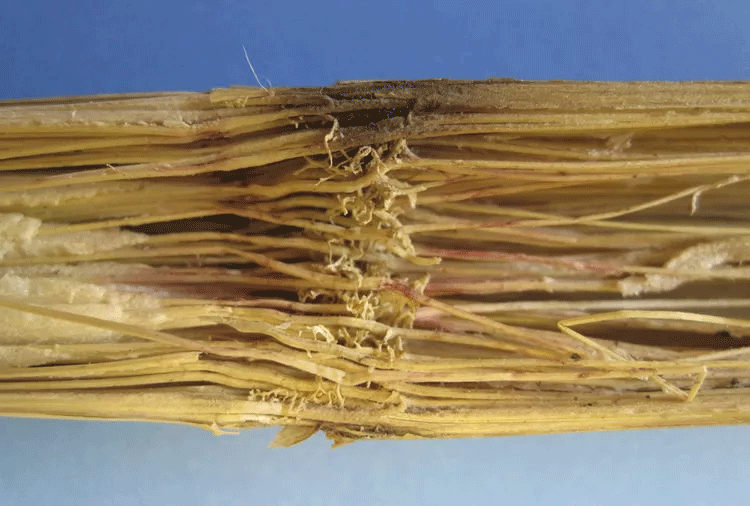
Fusarium stalk rot, caused primarily by Fusarium verticillioides and related species, is a major concern for corn growers worldwide. The disease reduces yields by weakening stalks, leading to lodging and premature plant death. Symptoms typically appear around the R5 (dent) growth stage, with white or pale-pink spore masses near nodes, softened lower stalks, and internal shredding with tan or pink discoloration.
Latest Research and Data
Recent studies highlight the growing impact of Fusarium stalk rot:
- Yield Losses: Research from the University of Nebraska (2023) estimates that severe infections can reduce yields by 10–30%, depending on environmental conditions and hybrid susceptibility.
- Prevalence: A 2024 report by the USDA indicates that Fusarium stalk rot has been detected in over 60% of surveyed U.S. cornfields, with higher incidence in continuous corn systems.
- Climate Influence: Warmer temperatures (80°F–100°F) and fluctuating moisture levels—dry early-season conditions followed by midseason rains—increase infection risks (Plant Disease Journal, 2023).
How Fusarium Spreads and Survives
The fungus overwinters in crop residue, spreading via wind, rain splash, and infected seeds. While it can colonize healthy plants asymptomatically, stress factors such as drought, nutrient deficiencies, or insect damage trigger disease development. Additionally, wounds from hail, machinery, or insect feeding provide entry points for infection.
Management Strategies
To combat Fusarium stalk rot, integrated approaches are essential:
- Resistant Hybrids: Planting resistant or tolerant hybrids is the most effective control measure. Check with seed providers for the latest disease-resistant varieties.
- Crop Rotation: Rotating with non-host crops (e.g., soybeans, wheat) reduces inoculum buildup in fields.
- Tillage Practices: Reducing crop residue through tillage can lower fungal survival, though this must be balanced with soil conservation needs.
- Stress Mitigation: Ensuring balanced fertility, proper irrigation, and controlling foliar diseases minimizes plant stress and susceptibility.
- Early Harvest: If over 10% of plants are infected 60 days before harvest, early harvesting can prevent lodging losses.
Fusarium stalk rot remains a persistent threat to corn production, exacerbated by climate variability and intensive monocropping. By adopting resistant hybrids, improving crop rotations, and managing field stress, farmers can significantly reduce losses. Staying informed through the latest research and extension recommendations is key to maintaining healthy, high-yielding corn crops.
Error