Harnessing the power of beneficial fungi for sustainable farming practices and increased productivity.
The Nicholson family’s farming enterprise, nestled in the heart of New South Wales, exemplifies the intersection of traditional agricultural practices with cutting-edge innovations. Spanning 4000 hectares of diverse terrain, their operation encompasses a mix of crop cultivation and livestock management. Over the years, they have navigated through challenges such as fluctuating weather patterns and soil degradation, constantly seeking ways to optimize their yields while maintaining environmental sustainability.
Steve Nicholson, with his background as an agronomist, brought a wealth of knowledge and experience to the family’s endeavor. Their journey began in 1999, with the acquisition of a modest 320-hectare plot. However, it wasn’t long before they encountered the harsh realities of farming, exacerbated by events like the Millennium Drought. Undeterred, they embarked on a quest for solutions, guided by a commitment to employing the best scientific methods available.
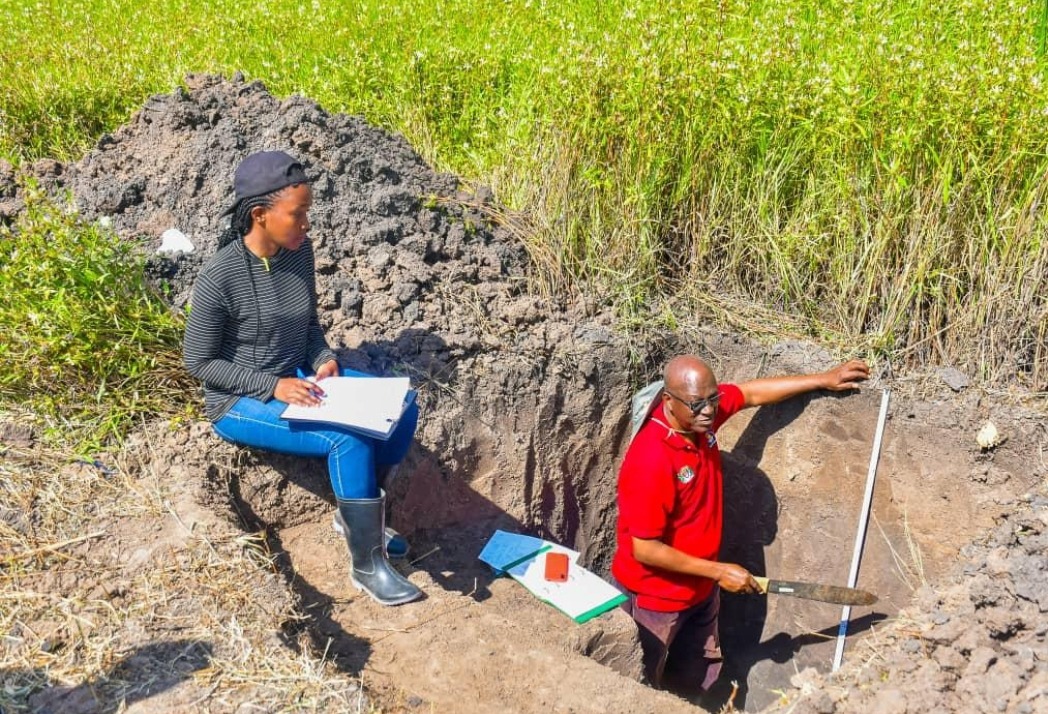
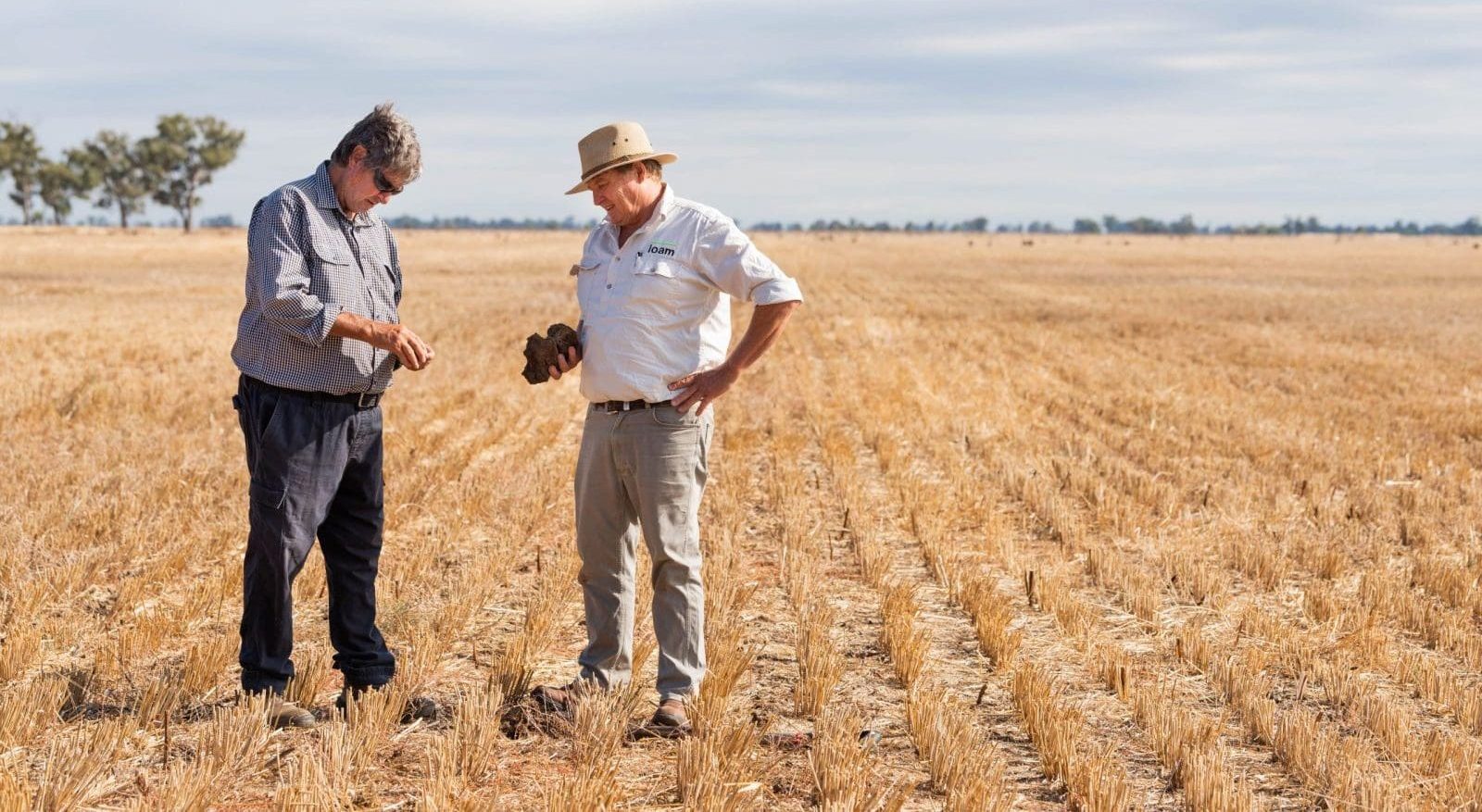
Recognizing the pivotal role of soil health in agricultural success, the Nicholsons prioritized soil improvement initiatives. Through meticulous soil testing, they identified key deficiencies, particularly in organic carbon levels, indicative of years of intensive cropping practices. To address this, they adopted a multifaceted approach, encompassing minimum-till farming, strategic application of soil amendments like lime and gypsum, and the utilization of compost produced onsite.
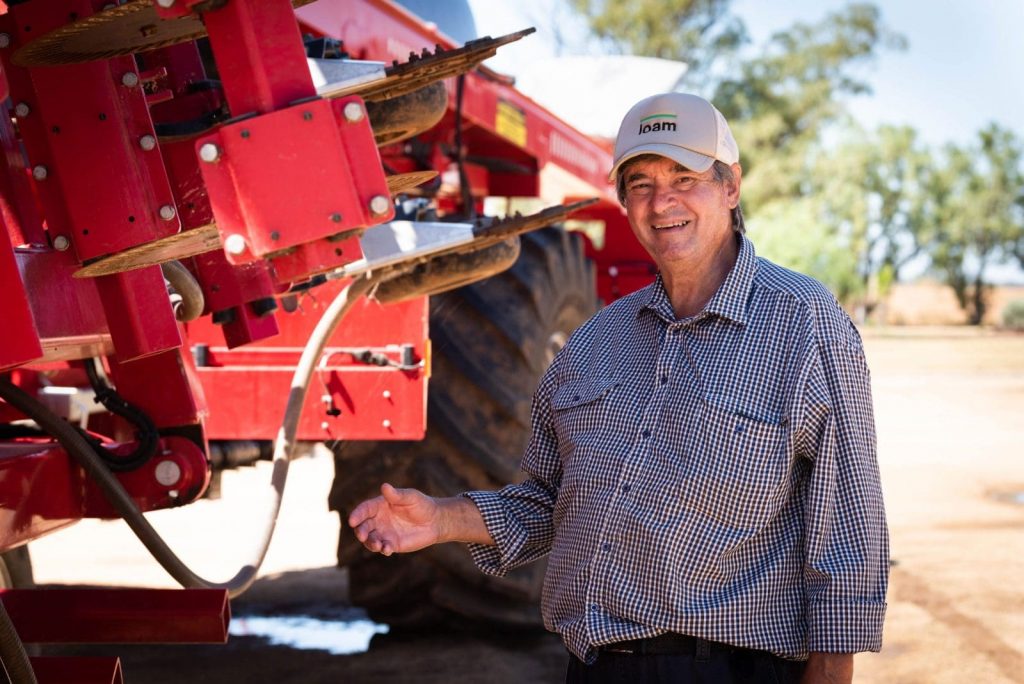
However, it was the integration of Loam Bio’s innovative CarbonBuilder product that heralded a significant turning point for the Nicholson farm. Developed from non-mycorrhizal endophytic fungi, this product offered a promising solution for enhancing soil carbon levels and promoting plant growth. Embracing this technology, the Nicholsons witnessed a remarkable increase in cereal yields, with average production soaring from 3-4t/ha to 5-6t/ha.
Beyond crop cultivation, the family strategically reintroduced sheep into their operation, recognizing their role in holistic land management. Grazing sheep not only provided an additional income stream but also facilitated biodiversity conservation and weed control—a testament to the symbiotic relationship between livestock and cropping systems.
Looking to the future, the Nicholsons are exploring avenues for carbon sequestration, viewing it not only as a means of environmental stewardship but also as a potential revenue stream through Australian carbon credit units. Their endeavors underscore a fundamental paradigm shift in agriculture, where sustainability and profitability are not mutually exclusive but rather intertwined objectives.
In essence, the Nicholsons’ journey epitomizes the ethos of modern farming—embracing innovation while staying grounded in time-tested principles. Through their collaboration with Loam Bio and their holistic approach to land management, they serve as beacons of inspiration for a more sustainable and prosperous agricultural future.
Error