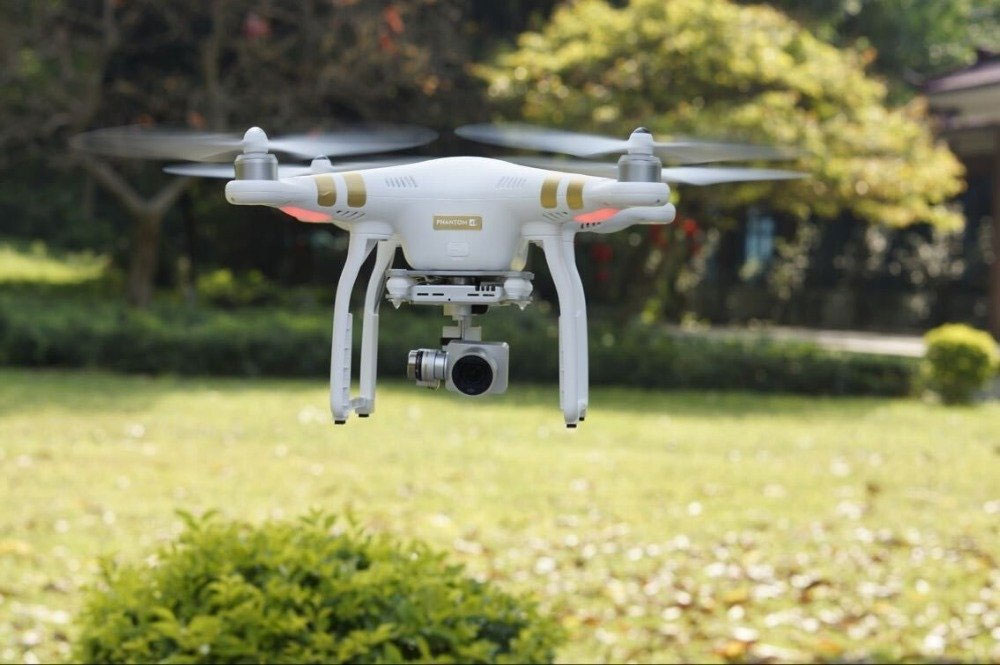
As climate change intensifies droughts and heatwaves, the need for resilient crops has never been greater. A recent study led by researchers at the Hebrew University of Jerusalem and the Volcani Institute introduces an innovative approach—using drones equipped with thermal and hyperspectral cameras—to rapidly identify wheat varieties best suited for harsh conditions.
Precision Agriculture Takes Flight
The study, published in Computers and Electronics in Agriculture, deployed drones over 300 wheat genotypes grown under both optimal and drought conditions. The drones captured high-resolution thermal and hyperspectral images, measuring critical traits such as:
- Stomatal conductance (how efficiently plants regulate water loss)
- Leaf area index (a measure of plant canopy density)
- Chlorophyll content (indicative of photosynthetic efficiency)
Traditionally, measuring these traits required labor-intensive manual methods. However, drone-based phenotyping, combined with machine learning models, improved water-use estimation accuracy by 28%, drastically speeding up data collection.
Linking Traits to Genes for Faster Breeding
Using support vector machine (SVM) models, researchers analyzed data across two growing seasons and identified 16 genetic markers associated with drought resilience. These markers were later validated in field trials, confirming their role in enhancing wheat performance under water-limited conditions.
“This drone-based approach offers a fast and powerful new way to identify drought-tolerant plants without touching them,” says Roy Sadeh, the study’s lead author.
Why This Matters for Global Food Security
With global wheat demand projected to rise by 60% by 2050 (FAO, 2023) and droughts reducing yields by up to 50% in some regions (IPCC, 2022), developing resilient crops is critical. This research demonstrates how:
- Drones can replace slow, manual phenotyping, accelerating breeding cycles.
- Genetic markers enable targeted breeding, reducing trial-and-error in crop development.
- Climate-smart wheat varieties can be deployed faster, securing food supplies in vulnerable regions.
A Game-Changer for Agriculture
The fusion of drone-based phenotyping and genetic analysis marks a major leap forward in agricultural science. By identifying drought-resistant wheat varieties more efficiently, this approach helps farmers, breeders, and scientists combat climate-induced food insecurity. As technology advances, similar methods could be applied to other staple crops, ensuring sustainable agriculture for future generations.
Funding & Collaboration
This study was supported by the Israeli Council for Higher Education, the Dutch Ministry of Foreign Affairs, and the Israeli Ministry of Agriculture and Food Security.
Error