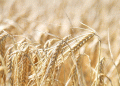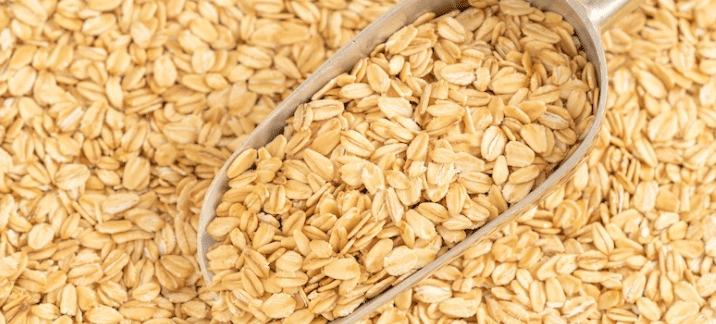
Chlormequat chloride is a plant growth regulator (PGR) widely used in cereal crops like oats, wheat, and barley to prevent lodging—a condition where stems bend or break, reducing yield and harvest efficiency. While it improves crop standability, its presence in food has sparked debates over safety and regulation.
Why is Chlormequat in Our Food?
The U.S. Environmental Protection Agency (EPA) permits chlormequat residues in imported grains, even though its direct application on food crops is not approved domestically. Key reasons for its presence include:
- Imported Oats & Wheat: Many U.S. food manufacturers source oats from Canada and Europe, where chlormequat is approved for use.
- Regulatory Changes: In 2018, the EPA established tolerance levels for chlormequat in food, facilitating its entry into the U.S. food supply.
- Cross-Contamination Risks: Residues may persist in soil or transfer via shared processing equipment.
Latest Data on Chlormequat Residues
Recent studies reveal alarming trends:
- Environmental Working Group (EWG, 2023):
- 92% of conventional oat-based products tested positive for chlormequat.
- 22% of wheat-based products contained detectable levels.
- Only 12.5% of organic oat products showed traces, likely due to contamination during processing.
- Human Exposure (2023 Study):
- 90% of urine samples from U.S. participants contained chlormequat, up from 69% in 2017.
- This suggests rising exposure, linked to increased imports of treated grains.
Potential Risks for Consumers & Livestock
Animal studies indicate chlormequat may affect:
- Reproductive health (reduced fertility in rats).
- Developmental toxicity (delayed growth in offspring).
- Liver & kidney function at high doses.
While EPA-set limits are deemed “safe,” long-term low-dose effects in humans remain understudied.
What Can Farmers & Agronomists Do?
- Monitor Residue Levels:
- Test soil and harvested grains if sourcing from regions where chlormequat is used.
- Stay updated on maximum residue limits (MRLs) in export markets.
- Explore Alternatives:
- Lodging-resistant oat varieties (e.g., modern semi-dwarf cultivars).
- Controlled nitrogen application to reduce stem elongation.
- Mechanical solutions (e.g., support nets in high-risk fields).
- Advocate for Transparency:
- Push for clear labeling of PGR-treated imports.
- Support research on safer growth regulators.
Chlormequat’s rising presence in food highlights the need for better regulatory oversight, residue testing, and alternative farming practices. While it aids crop management, potential health risks warrant caution. Farmers and agronomists should stay informed, adopt mitigation strategies, and advocate for policies that balance productivity with food safety.
Error