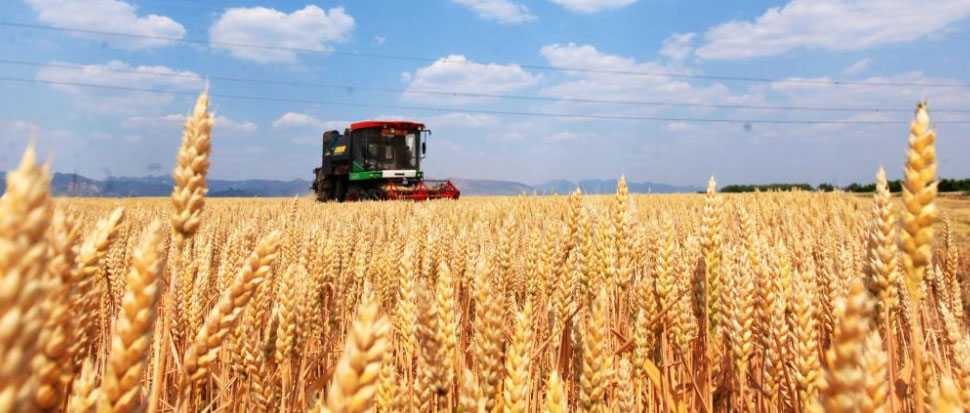
The 2025 winter wheat harvest is underway across China, with provinces like Shandong, Jiangsu, and Henan leading the way. According to the Ministry of Agriculture and Rural Affairs, this year’s harvest follows favorable weather conditions and increased adoption of precision farming techniques. Early estimates suggest a 2-3% increase in yields compared to 2024, driven by improved seed varieties and efficient mechanization.
Technological Advancements in Wheat Farming
The integration of drones, AI-driven harvesters, and smart irrigation systems has significantly enhanced productivity. In Jiangsu Province, researchers at the Jiangsu Academy of Agricultural Sciences are testing high-yield, disease-resistant wheat strains, aiming to reduce reliance on chemical inputs. Satellite data from the National Agricultural Remote Sensing Center indicates that over 70% of large-scale farms now use GPS-guided machinery, minimizing waste and optimizing harvest timing.
Challenges: Climate and Market Pressures
Despite advancements, farmers face challenges such as unpredictable weather patterns and rising input costs. A recent FAO report warns that global wheat prices remain volatile due to geopolitical tensions and supply chain disruptions. Additionally, soil degradation in key regions like Henan calls for greater adoption of regenerative practices, such as cover cropping and reduced tillage.
A Path Forward for Sustainable Wheat Production
China’s 2025 winter wheat harvest highlights both progress and persistent challenges. While technology boosts efficiency, long-term sustainability depends on climate-resilient crops, precision agriculture, and policy support. Farmers and agronomists must continue collaborating to ensure food security amid changing global conditions.
Error