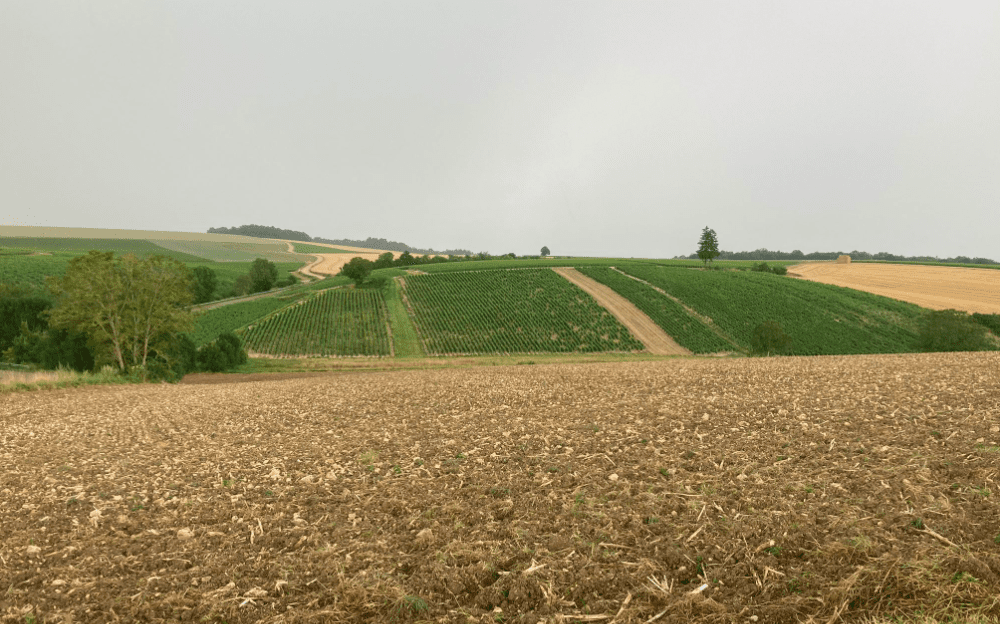
Severe Rainfall and Poor Crop Conditions Lead to Lowest Wheat Harvest in a Decade
This summer’s relentless rainfall across Europe has devastated crop conditions in France, the European Union’s leading grain exporter. The situation has become so dire that some are calling it a catastrophe, with crop ratings plummeting to their lowest levels in eight years. Farmers are now facing what could be the worst production outlook in at least a decade.
According to the latest crop update from FranceAgriMer, the condition of France’s soft wheat crop has been rated at just 50 percent good-to-excellent, the lowest rating since the disastrous 2016 harvest. This is a significant drop from the 78 percent recorded at the same time last year. Durum wheat is faring slightly better, with 58 percent rated good-to-excellent, down from 67 percent a year ago.
This spring was the fourth wettest on record in France, with rainfall 45 percent higher than the 10-year average. The excess moisture, coupled with 20 percent lower sunshine levels, has delayed crop development and hampered field activities, leading to widespread landslides, flooding, and prolonged harvest delays.
As of July 29, the soft wheat harvest was 67 percent complete, still lagging behind the five-year average of 84 percent. The durum wheat harvest was only 8 percent complete, a dramatic fall from the 100 percent completion at the same time last year. Barley crops have also been hit hard, with winter and spring barley harvests 99 percent and 54 percent complete, respectively, again far below the previous year’s levels.
The General Association of Wheat Producers in France (AGPB) has warned that wheat output could drop by 15-28 percent compared to 2023, potentially bringing the total harvest down to around 26 million tonnes. This would be the lowest output in more than a decade. Agricultural consulting agency Stratégie Grains offers a slightly more optimistic estimate of 26.7 million tonnes, while the Moisson Live website projects 26.4 million tonnes based on regional data.
Grain quality is also a major concern, with reports of poor protein content and extremely low test weights becoming increasingly common. Many samples have failed to meet the minimum test weight of 76 kilograms per hectolitre required for milling wheat, leading to worries about the impact on both domestic and export markets. With an estimated 65 percent of the soft wheat harvest expected to meet milling standards, the available milling wheat could be just 16.9 million tonnes, close to the recent low of 16.1 million tonnes in 2016.
The financial implications for French farmers are severe, with potential losses exceeding €1.6 billion. Farmers are calling on the government for financial aid, including compensation, tax relief, and deferral of loan repayments. French Agriculture Minister Marc Fesneau has announced potential support measures at both the national and European levels, though no concrete decisions have been made.
The global grain market is closely monitoring the French harvest, with concerns that wheat exports from France could decline significantly in the 2024/25 season. Export volumes are already trailing last season’s figures, and with milling wheat availability at a historic low, prices may rise, further impacting global supply chains.
Error