

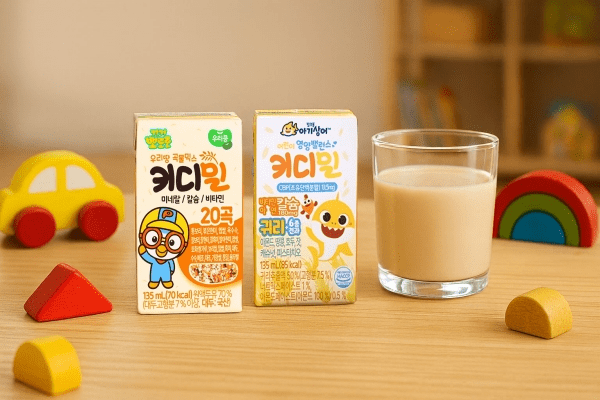
For grain producers and agricultural scientists, the end-use market for crops is just as critical as yield and quality data. A recent product launch in South Korea provides a compelling case study in how value-added processing is creating new, high-margin opportunities for grains, particularly oats. Taeyang Lifestyle Health’s new “Kidimil Oat” children’s nutritional drink is not just a new beverage; it’s a blueprint for transforming a raw commodity into a premium, functional food product.
The product’s foundation is its high oat content, specifically highlighting 50% Canadian-sourced oats. This emphasis on a “clean region” origin speaks directly to consumer demand for traceable, high-quality ingredients and underscores the market premium available for grains with a verified provenance. The choice of oats is strategic, capitalizing on the grain’s well-documented health benefits, particularly its rich dietary fiber content, which is a key selling point for health-conscious parents.
Beyond the oats, the product formulation is a masterclass in value addition. It incorporates a blend of six nuts (almonds, peanuts, walnuts, pine nuts, cashews, and pistachios) and adds a functional protein powder derived from colostrum (CBP) to aid bone growth and density. Furthermore, it is fortified with 13 vitamins and minerals, including calcium, zinc, and iron. This complex formulation moves the product far beyond a simple oat drink into the specialized category of scientifically designed nutritional support for child development.
The commercial strategy is equally sophisticated. The brand, Kidimil, has already proven its market viability with over 3 million cumulative sales of its existing soy- and grain-based drinks. The new product leverages this trust and utilizes popular character licensing (“Pinkfong Baby Shark”) to enhance its appeal to children. Notably, the company also links purchases to a social cause, donating a portion of profits to a children’s foundation, which strengthens brand equity and consumer loyalty.
This launch reflects a broader global trend in the functional food market. According to a report by Grand View Research, the global functional food market size was valued at USD 261.42 billion in 2023 and is expected to grow at a compound annual growth rate (CAGR) of 8.9% from 2024 to 2030. Products that offer targeted health benefits, especially for specific demographics like children, are driving significant growth and commanding higher price points.
The development of “Kidimil Oat” offers a powerful lesson for the agricultural sector. The greatest profitability often lies not in selling raw commodities in bulk, but in understanding and supplying ingredients for the value-added food industry. For oat producers, this means there is a growing, sophisticated market that prizes quality, origin, and specific functional attributes. For agronomists and agricultural engineers, it highlights the need to focus not just on yield, but also on the nutritional profile and quality traits that these advanced processing markets demand. Ultimately, collaboration along the entire value chain—from farmers producing premium oats to food scientists creating innovative products—is key to capturing this value and ensuring higher returns for primary producers.
Error



