As of September 1st, the Belarusian Ministry of Agriculture and Food reports a total grain and rapeseed harvest of 8.735 million tons. This impressive figure underscores a highly successful season, driven by a substantial nationwide increase in productivity. With 95% of the area for grain and leguminous crops (excluding corn) harvested, the data provides a clear picture of the country’s agricultural performance and its strategic preparations for the coming year.
Yield Breakthrough and Regional Leaders
The most striking metric is the reported yield increase of 8.5 centners per hectare (0.85 tons/ha) compared to the previous year. This is a significant jump in productivity. For context, the FAO’s recent forecast for the 2023/24 season highlighted variable yields across Eastern Europe due to weather volatility, making Belarus’s consistent gain a notable achievement. This improvement can be attributed to advanced agronomic practices, improved seed varieties, and favorable weather conditions during critical growth stages.
Regional analysis reveals expected but important disparities:
- Minsk Region leads as the top contributor with 2.214 million tons.
- Grodno (1.728M tons) and Brest (1.672M tons) follow closely, demonstrating the strength of the western regions.
- Vitebsk, historically challenged by its cooler climate and less fertile soils, trails with 888 thousand tons. This 1:2.5 production ratio between the highest and lowest yielding regions highlights the impact of agro-ecological zones on national output and the need for tailored regional agricultural policies.
Strategic Operations: From State Orders to Winter Forage
Beyond the harvest, the data shows a nation efficiently executing its post-harvest and preparatory strategy. The completion of 89% (625,000 tons) of the state food grain procurement plan indicates strong logistical coordination and a focus on fulfilling national food security mandates first.
The progress in forage conservation is critical for the livestock sector’s profitability and animal welfare. The figures are robust:
- Silage: 12.737 million tons (91% of target)
- Hay: 415,000 tons (58% of target)
- Haylage: 4.025 million tons (40% of target)
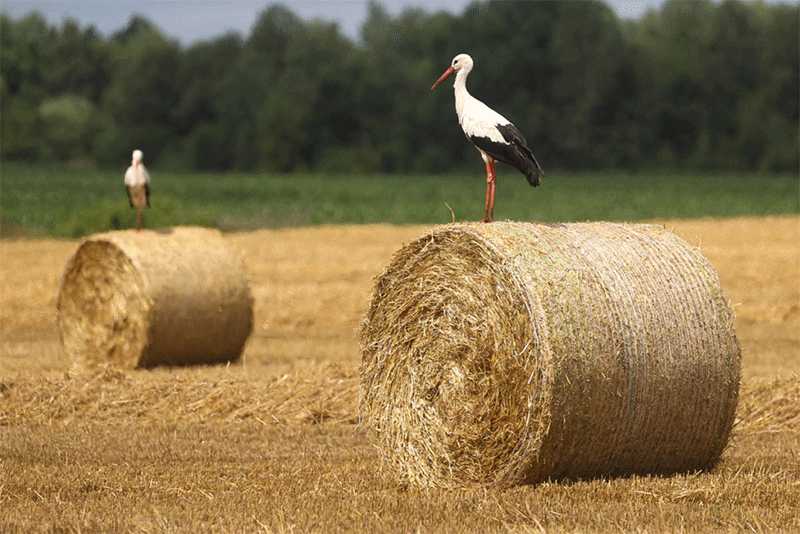
The high completion rate for silage, a high-quality fermented feed, is particularly positive. The mention of 422,000 tons preserved in polymer wrap indicates widespread adoption of modern baleage technology, which improves nutrient retention and reduces field losses compared to traditional methods. This focus on quality forage is a direct investment in efficient milk and meat production over the winter months.
Simultaneously, the sowing of winter cereals has begun, albeit cautiously at just 1% (11,000 ha) of the planned area. This is a standard and prudent approach, ensuring optimal soil conditions and moisture levels are met before committing the majority of seed to the ground.
The 2023 harvest season in Belarus is shaping up to be one of high yield and high efficiency. The national 8.5 c/ha yield increase is a testament to improved crop management and technology adoption. While regional disparities persist, the overall output strengthens the country’s food security and export potential. The parallel success in forage conservation, particularly with modern techniques like wrapped baleage, demonstrates a holistic and forward-thinking approach to integrated farming. The timely execution of both harvest and winter preparation activities positions Belarus’s agricultural sector for a strong finish to 2023 and a stable start to the 2024 season.
Error