A Challenging Harvest Season
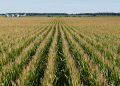
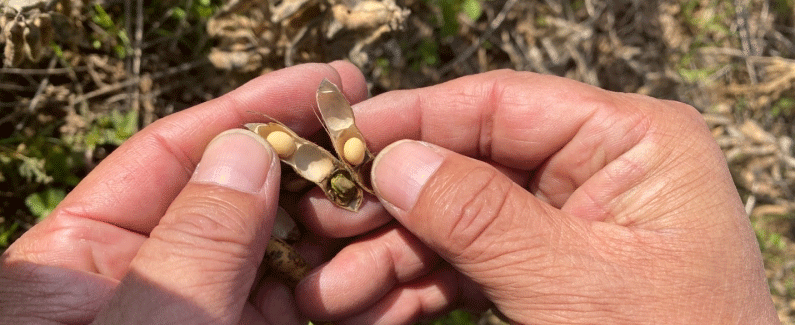
The soybean harvest season, typically a time of reward for hard work, has turned into a period of despair for many farmers in Jeju. Unrelenting rainfall and high humidity have created ideal conditions for mold outbreaks, significantly damaging crops. Adding to the crisis, a phenomenon called pre-harvest sprouting—where seeds germinate before harvest—has further reduced yields.
This year, the combination of weather extremes has pushed many farmers to consider abandoning their fields entirely. For others, the situation is compounded by financial losses, as damaged soybeans fail to meet quality standards, reducing market value.
The Impact in Numbers
Jeju’s soybean cooperative, the Kong Jeju Council, estimates a 22.3% decline in this year’s harvest compared to 2022. Over the past five years, Jeju’s soybean production had shown consistent growth, but this season marks a stark reversal. In some eastern regions of Jeju, the damage is so severe that even declaring crop failure is not an option due to the advanced stage of pod development.
Key Challenges
- Mold Infestations: Excessive rain and humid conditions have caused a sharp increase in fungal diseases, destroying entire fields.
- Pre-Harvest Sprouting: With prolonged wet conditions, many soybeans have begun sprouting while still on the plant, rendering them unfit for sale.
- Economic Losses: Even soybeans that are harvested show diminished quality, leading to lower prices and significant income loss for farmers.
Calls for Immediate Action
At a recent emergency meeting of the Kong Jeju Council, representatives emphasized the urgent need for reform in agricultural disaster insurance policies. Many farmers are struggling with inadequate coverage that fails to reflect the realities of modern climate risks.
The council has also appealed for:
- Government Support: Direct financial assistance to affected farmers.
- Policy Adjustments: A revision of compensation criteria for damaged crops.
- Resource Allocation: Support for disease management and prevention.
A Global Perspective
Jeju’s plight mirrors challenges faced by farmers worldwide as extreme weather events increase due to climate change. According to a 2023 report by the Food and Agriculture Organization (FAO), global soybean yields are highly sensitive to weather anomalies, with excessive rainfall reducing yields by up to 25% in affected areas.
Jeju’s soybean farmers are facing one of their most difficult seasons, highlighting the urgent need for systemic changes in agricultural policy and disaster preparedness. The current crisis underscores the importance of resilient farming systems, improved insurance frameworks, and proactive government interventions to support farmers against increasingly erratic climate patterns.
Error