Future of Plant-Protein Manufacturer Hangs in the Balance as New Investors Sought
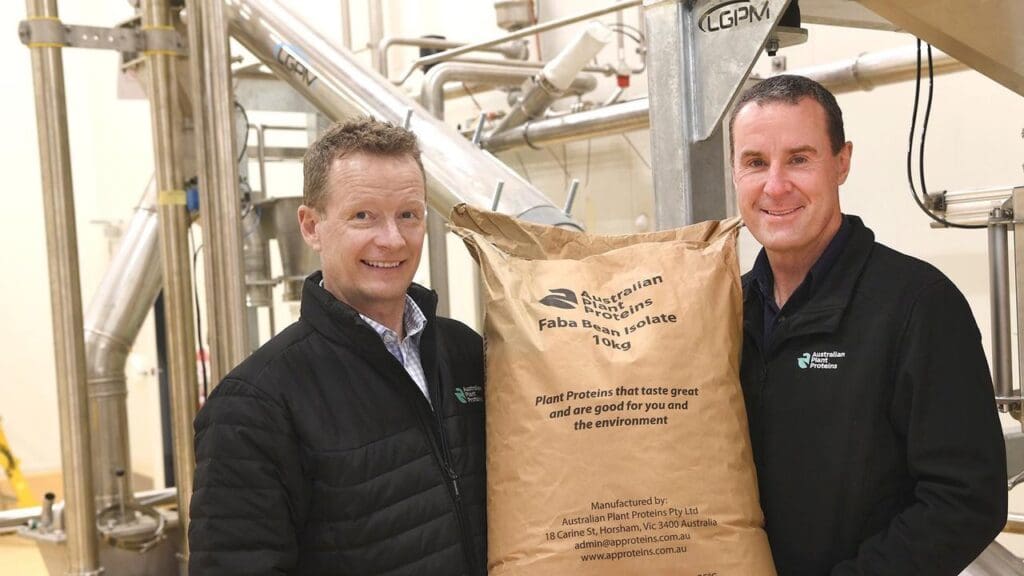
Australian Plant Proteins (APP), a leading manufacturer of plant-protein isolates, has entered voluntary administration in hopes of finding a buyer or investor to sustain operations. Founded in 2016 by Brendan McKeegan and Phil McFarlane, APP employs over 30 people across two Victorian locations: a research-and-development site in Werribee and a commercial fractionation facility in Horsham. The Horsham site currently produces 1,200 tonnes of plant-protein isolates annually, primarily from faba beans, with additional production of yellow pea, mungbean, and lentil isolates upon request.
Administration and Restructuring Efforts
Melbourne firm Romanis Cant has been appointed as the administrator for APP and is actively working to restructure the business. The preference is to sell the company as a going concern, ensuring continuity for employees and clients. APP’s directors are collaborating with administrators to navigate this challenging period, with significant support from the pulse industry, including growers and traders, who are keen to see APP continue its operations.
Factors Behind the Administration
While the precise market and business factors leading to APP’s administration remain unclear, interruptions to operations and reduced production and trading activities have been noted. Recent strategic discussions aimed at reducing production costs by shifting from buying split faba beans to purchasing whole products directly from growers indicate efforts to mitigate financial pressures.
A report by think tank Food Frontier highlighted a contraction in plant-protein retail sales, although significant growth in the food-service sector was observed. Additionally, Deloitte Access Economics downgraded the forecast market size for the plant-protein industry, impacting future financial projections for companies like APP.
Expansion Challenges and Market Potential
APP had ambitious plans to expand its manufacturing base into South Australia, partnering with international pulse trader Australian Milling Group and meat processor Thomas Foods International. The $230 million project aimed to construct three fractionation facilities processing 8,000 tonnes of pulses annually. However, the withdrawal of government support due to non-commercial clauses in funding agreements has stymied these plans, negatively impacting potential international investor confidence.
Despite these setbacks, APP’s recent submission to a Federal Government inquiry expressed optimism about future growth, driven by the accelerating global demand for high-quality plant-protein ingredients. APP is positioned uniquely as the only protein powder-isolate manufacturing facility in the Southern Hemisphere, presenting significant expansion opportunities both domestically and internationally.
Industry Reaction and Future Prospects
The financial difficulties faced by APP have implications for the broader plant-protein sector. Food Frontier CEO Simon Eassom emphasized that APP’s situation should not be viewed as a failure of the plant-protein industry but as a reminder of the long-term investment required to build a sustainable sector. He noted the importance of regional employment and value-added industries, advocating for continued investment in plant-based protein production.
Australia’s plant-protein production landscape includes other operators such as Unigrain in Victoria and Integra Foods in South Australia, along with smaller companies working with lupin and hemp. The sector’s growth potential remains strong, with ongoing efforts to address infrastructure and investment challenges.
Conclusion
The voluntary administration of Australian Plant Proteins underscores the complexities and challenges of the burgeoning plant-protein industry. With strategic restructuring and potential new investment, APP aims to overcome current hurdles and continue contributing to the global plant-protein market. The industry’s resilience and continued support from stakeholders highlight the importance of innovative agricultural enterprises in driving sustainable food production.
Error