The Future of Large-Scale Urea Projects Faces Uncertainty
The ambition for large-scale domestic urea production in Australia has encountered significant hurdles, with the abandonment of Western Australia’s Strike Energy’s Project Haber and indefinite delays to South Australia’s Neurizer’s Leigh Creek project. Currently, only Perdaman’s Karratha project remains on track with substantial investments from Abu Dhabi’s Mubadala Investment Company and Global Infrastructure Partners.
Strike Energy’s Project Haber, envisioned to produce 1.4 million tonnes per annum of granular urea fertilizer, has been shelved. Initially located under South Erregulla gas resources, the project aimed to deliver “world-class low emissions urea fertilizer.” However, due to lower-than-expected gas reserves, Strike Energy has shifted its focus to transforming the site into a peaking power station, with plans to commence electricity sales by October 2026.
Similarly, Neurizer’s Leigh Creek project, which aimed to produce 1Mt of “carbon-neutral urea” annually by 2026, faces significant delays. The project was hit hard when a potential strategic partner withdrew from negotiations, forcing the company to reassess its timelines and funding strategies. Additionally, new regulatory hurdles have further delayed progress, impacting the final investment decision timeline.
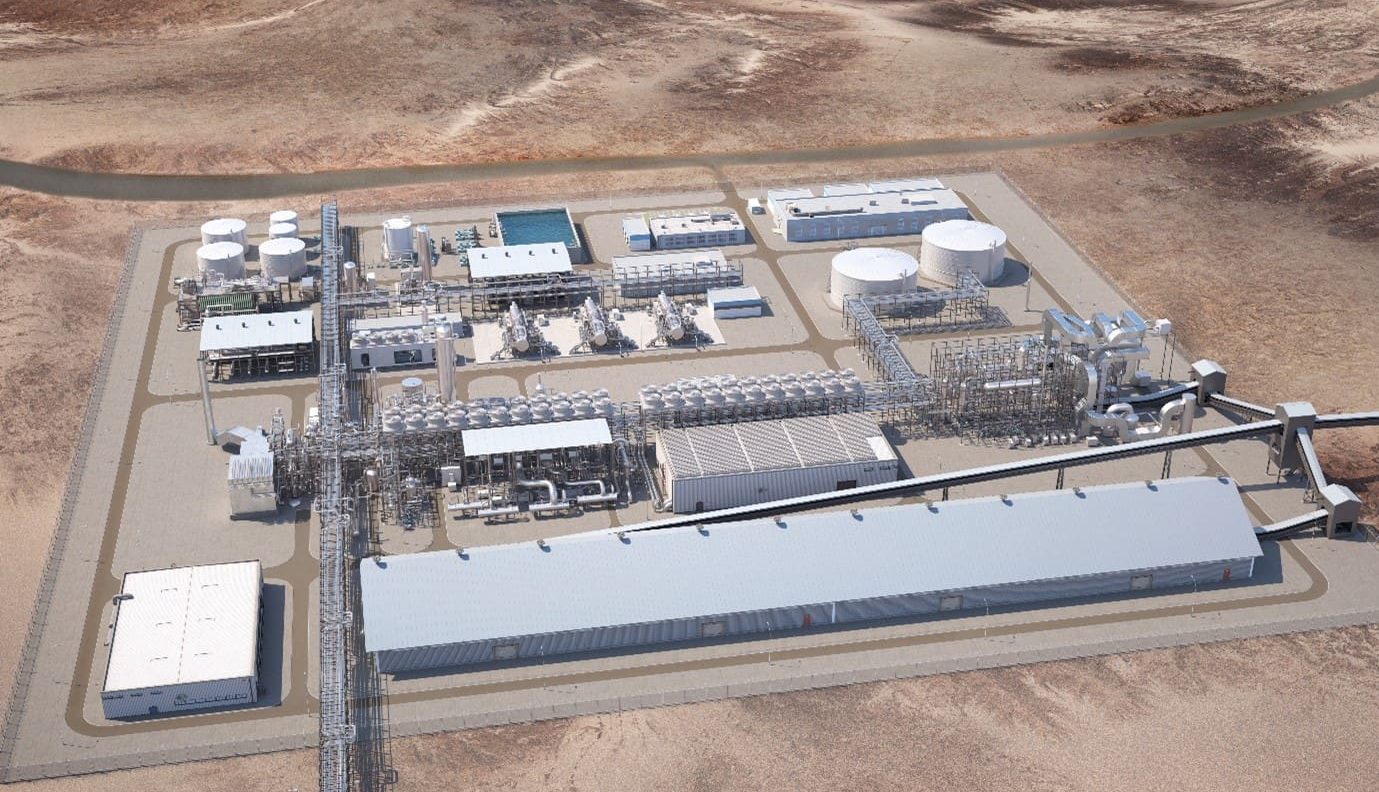
On the other hand, Perdaman’s $6.4 billion Project Ceres in Karratha is progressing robustly. With a projected production of 2.3Mt of urea per year, this facility is set to become Australia’s largest urea plant. The project recently received a financial boost from Mubadala Investment Company and Global Infrastructure Partners, reinforcing its alignment with responsible investing mandates and regional food security goals. Perdaman’s facility is expected to begin production in 2027, with a significant portion of its output destined for domestic and export markets through a long-term offtake agreement with Incitec Pivot.
Despite these advancements, the overall benefit for Australian farmers remains uncertain. Following the closure of Incitec Pivot’s Gibson Island plant in late 2022, Australia has been entirely dependent on imported urea. While Perdaman’s Project Ceres promises to increase domestic production significantly, concerns persist that its output may not substantially lower the cost of urea for local farmers, given its substantial export commitments.
In summary, the journey towards large-scale domestic urea production in Australia is fraught with challenges. While Perdaman’s project offers a glimmer of hope, the setbacks faced by Strike Energy and Neurizer highlight the complexities and uncertainties in the sector. Stakeholders remain cautiously optimistic, but the path forward demands resilience and strategic adaptation to changing circumstances.
Error